
Louis Catala
Partner


A consolidation of the industrial landscape looks inevitable and will no doubt gain speed. Current mergers and pressure on supplies, which were heightened during the crisis, will require new supply chain organizations and adapted business models.
Tier-two suppliers will face a higher risk of going out of business. This is particularly the case of players positioned in niche segments which suffered the most from the drop in traffic (cabin interiors, fleet maintenance, etc.).
The recovery will generate or heighten tensions on supplies (with the likely disappearance of certain critical suppliers), and impact purchasing costs due to the rising prices of certain raw materials and distribution costs (cost of containers). For winning businesses, a new race for the talent released by layoff plans has already begun.
It will not be possible to anticipate the recovery without challenging industrial organizations. Now is the time to evaluate external growth deals aligned with diversification, growth or vertical integration strategies. In addition, the continuous cash burn and high level of debt require companies to find additional sources of cash flow, and restructure their debt over the short term.
Players with stable financial conditions can take advantage of the quiet period to streamline their processes, digitally transform their internal operations and customer and supplier interfaces, and measure their suppliers’ capacity for recovery.
EFESO supports aircraft manufacturers with their transformation and the improvement of their operating performance, as well as private equity funds in M&As, from sourcing to integration.
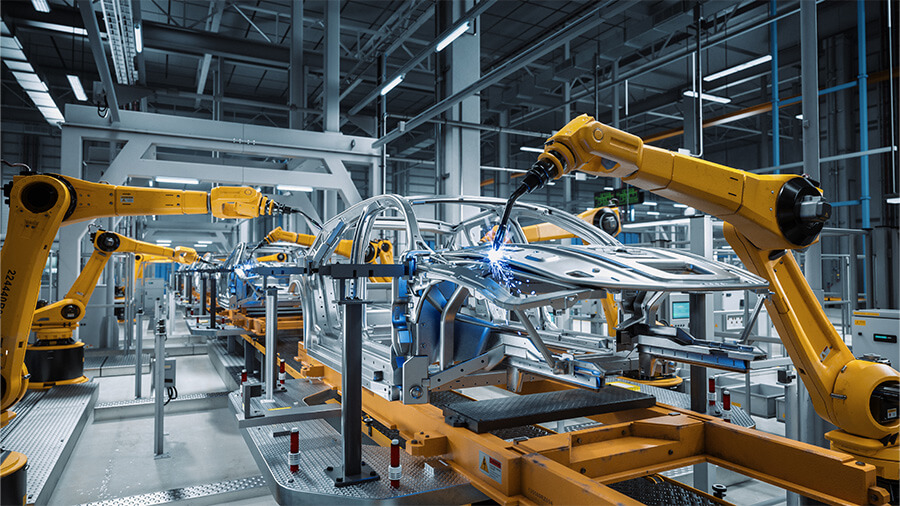
Automotive and Commercial Vehicles
Private Equity
Automotive suppliers must embrace Industry 4.0 technologies to enhance efficiency, flexibility, and sustainability in operations.

Private Equity
Transform sustainability from compliance burden into measurable value creation for private equity portfolio companies.
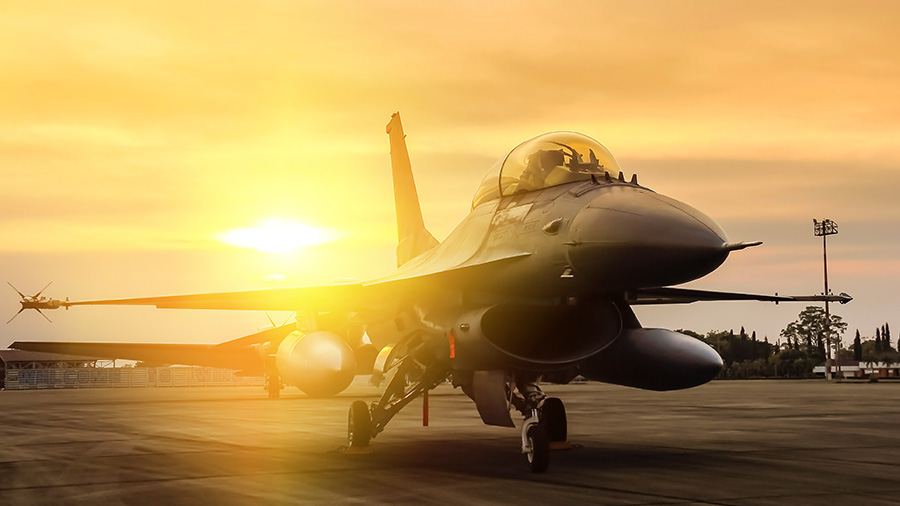
Aerospace & Defense
Stabilizing aerospace supply chains disrupted by pandemic and geopolitical tensions through dual-track operational and strategic interventions.