



+100K
Employees globally
A leading aerospace manufacturer faced intense pressure to increase monthly production without major capital investment. Together, EFESO and the in-house team implemented operational optimization across manufacturing engineering, product design and shop floor execution. This collaboration unlocked new efficiencies, enabling sustainable rate increases while controlling costs.
Industry: Aerospace & Defense
Service: Manufacturing
Service: Operations Strategy and Transformation

A leading aerospace manufacturer employing over 100,000 people globally, specializing in the design and manufacture of high-complexity aircraft sections. The site involved in this study is a large-scale, high-mix, high-volume factory responsible for assembling the central fuselage sections of commercial aircraft.
+100K
Employees globally
15
Pulse line stations
20
Total assembly cycles

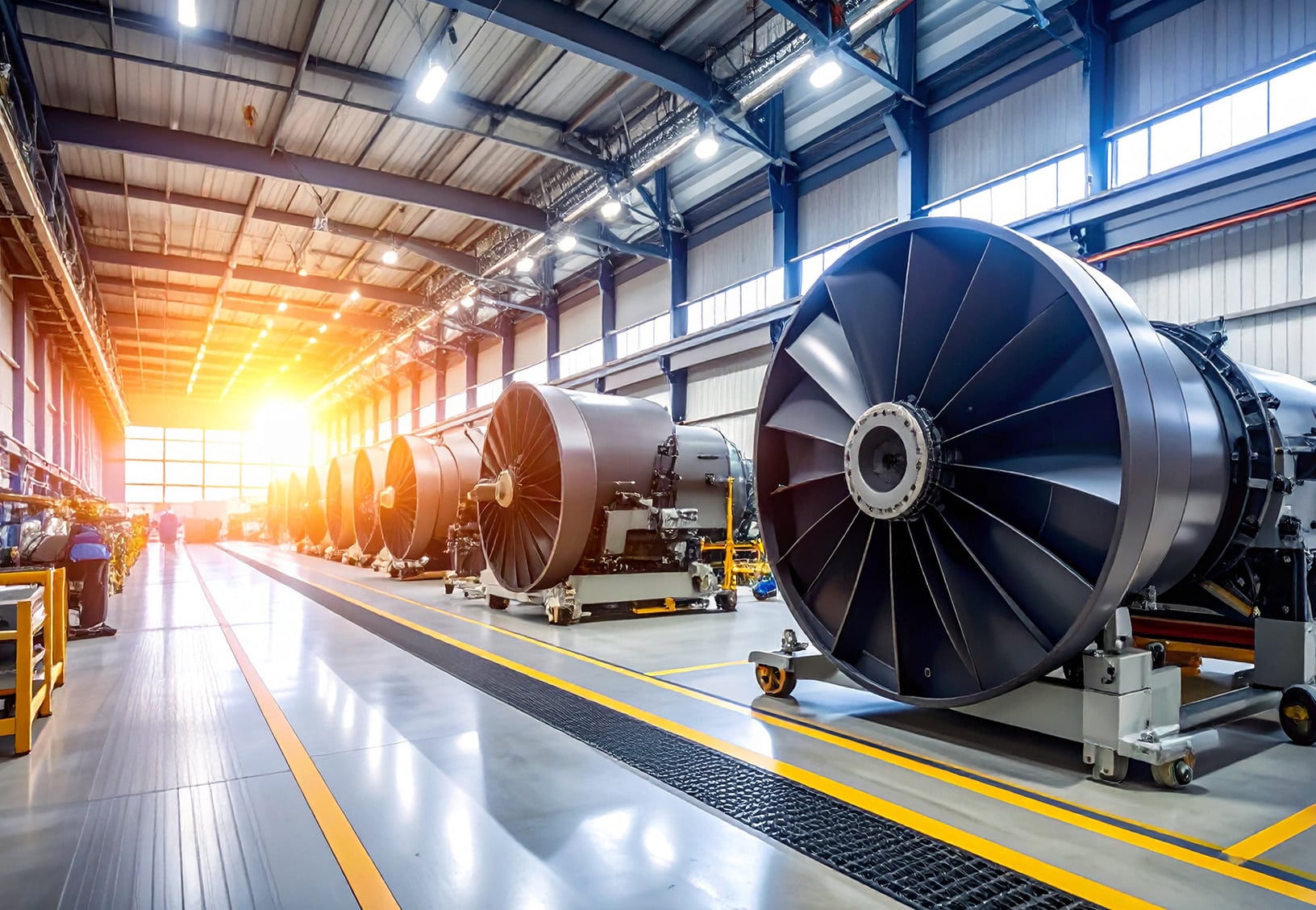
The client was facing intensified demand, requiring an increase in monthly production rates from 54 to 63 aircraft—and potentially higher in future ramp-ups.
The existing pulse line assembly system was already struggling to sustain a 5-hour takt time at the current rate of 54.
The goal was to unlock new efficiencies across manufacturing engineering, product design and shop floor execution, enabling a sustainable rate increase while controlling costs and supporting business continuity.
The operational transformation enabled a fundamental shift in production capacity through systematic bottleneck elimination and workload optimization. Working alongside client teams, we delivered sustainable improvements across the entire pulse line system.
+17%
Output increase possibility identified
4.2hrs
Achievable takt time at rate 63
+18%
Potential overtime reduction

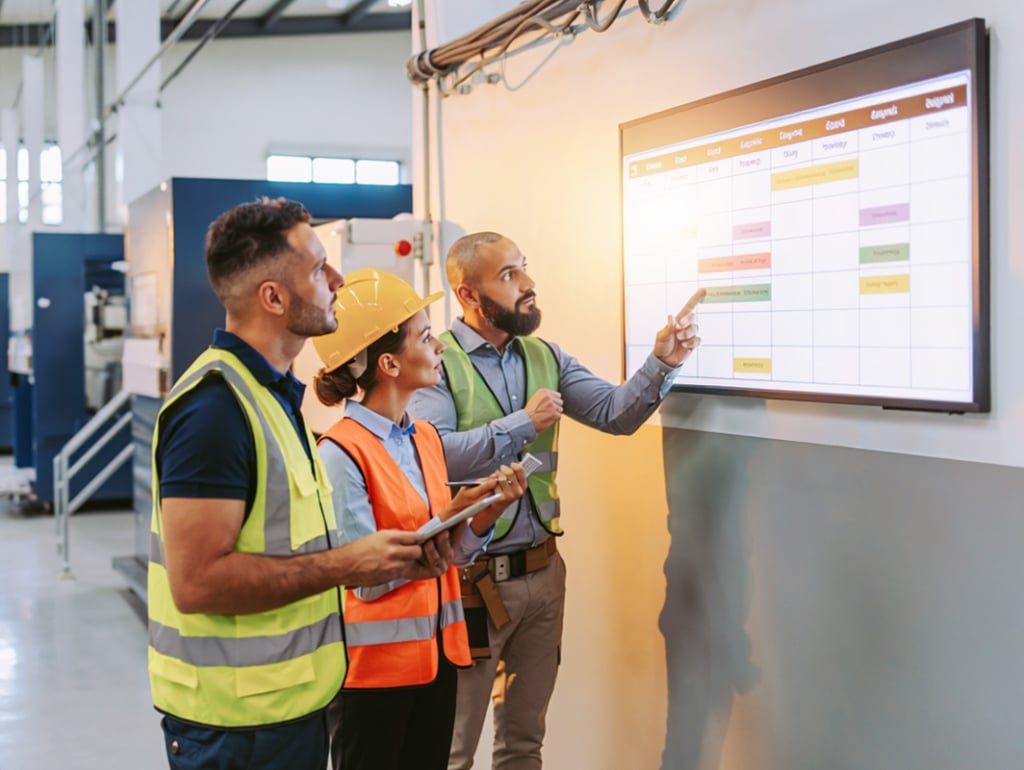
Our approach combined immersive shop floor engagement with systematic optimization across three levels.
Working with engineering teams, we optimized the bill of work and routing without product changes, then facilitated product re-engineering workshops for modular, manufacturable sub-assemblies.
Throughout, we maintained a transparent dialogue with HR, unions, and leadership while coaching supervisors in visual management and data-driven performance reviews.

Aging equipment meets rising costs and technology disruption. We transform operations through smart factory integration, predictive maintenance, and workforce capability building.

Helping organizations rethink how they create value. We strengthen performance, build resilience, and accelerate growth across every layer of your business.


• Struggling to meet increased demand without major capital investment in new lines
• Seeking to unlock hidden capacity through operational excellence and workload optimization
• Ready to transform your assembly operations through hands-on collaboration and proven methodologies
45K m²
Optimized factory layout (reduced from 52 Km²)
Industrial Manufacturing
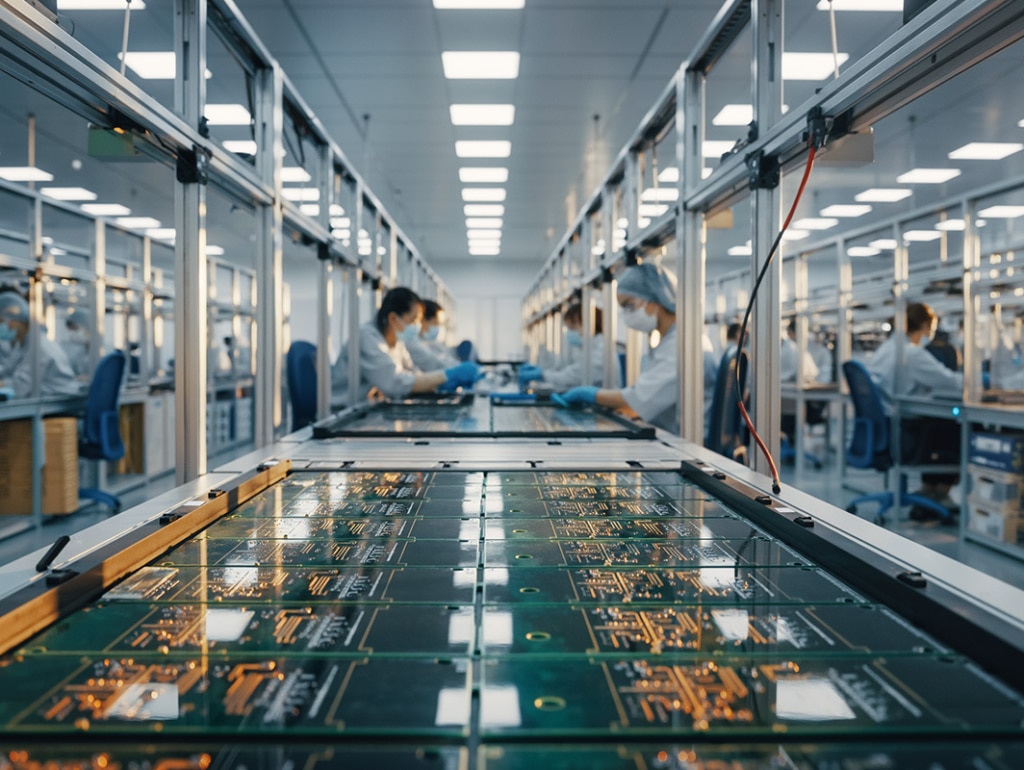
Creating a solid, structured plan for the material flow of its production and validated the static forecast, enabling the factory to increase the output with the existing machinery.
+800
Additional storage positions identified
Consumer Goods and Luxury
EFESO redesigned warehouse layout and internal logistics flows for a global consumer goods manufacturer, increasing storage capacity and improving operational efficiency in a brownfield production environment.

8%
EBITDA increase through improved operational productivity
Consumer Goods and Luxury
A global luxury fashion house aimed to improve operational productivity and achieve target EBITDA despite complex production challenges.

30%
Reduction in unplanned stops over 2 pilot lines
Consumer Goods and Luxury
A global consumer health company implemented an operational transformation, delivering a 30% reduction in unplanned stops and validated standards for global rollout, supporting a shift to a proactive operational culture.

4
Legal-entity handbooks detailing processes, systems, and organizational structures at Level-3 detail
Consumer Goods and Luxury
Discover how EFESO helped defined a Target Operating Model (TOM) that improved governance and created the foundation for future ERP implementation.

~10K m²
Optimized factory footprint
Aerospace & Defense
Design of a future-proof, modular drone factory enabling multi-product manufacturing, rapid scalability, and optimized investment for aerospace defence applications.

Up to 37%
Increase in effective production capacity through downtime and changeover reduction
Life Sciences
A global pharmaceutical manufacturing company implemented a structured Maintenance Excellence Program combining diagnostics, pilot execution, and model design.
35%
Reduction in logistics headcount through automation
Food & Beverage
EFESO supported the design and realization of a 30,000 sqm greenfield dairy plant, delivering an integrated factory planning concept with full automation and optimized material flows and scalable operational concepts.