



25%
Weight differences between technical solutions
A leading luxury sports car manufacturer sought to strengthen its position in the electric vehicle market through comprehensive battery technology analysis. EFESO worked with the team to evaluate four competitor BEV vehicles’ battery sub-systems, examining cooling, cell stacking, busbar design and thermal propagation solutions.
Industry: Automotive and Commercial Vehicles
Service: Cost and Value Engineering
Service: Manufacturing
Service: Product Profitability
Service: R&d and Product Development
Service: R&d and Product Profitability

This luxury sports car manufacturer operates at the pinnacle of automotive performance and craftsmanship. The company produces exclusive high-performance vehicles. The organization was developing its new battery electric vehicle platform and needed strategic guidance on technical solutions for high-voltage battery components, to maintain its competitive edge in the evolving electric vehicle landscape.
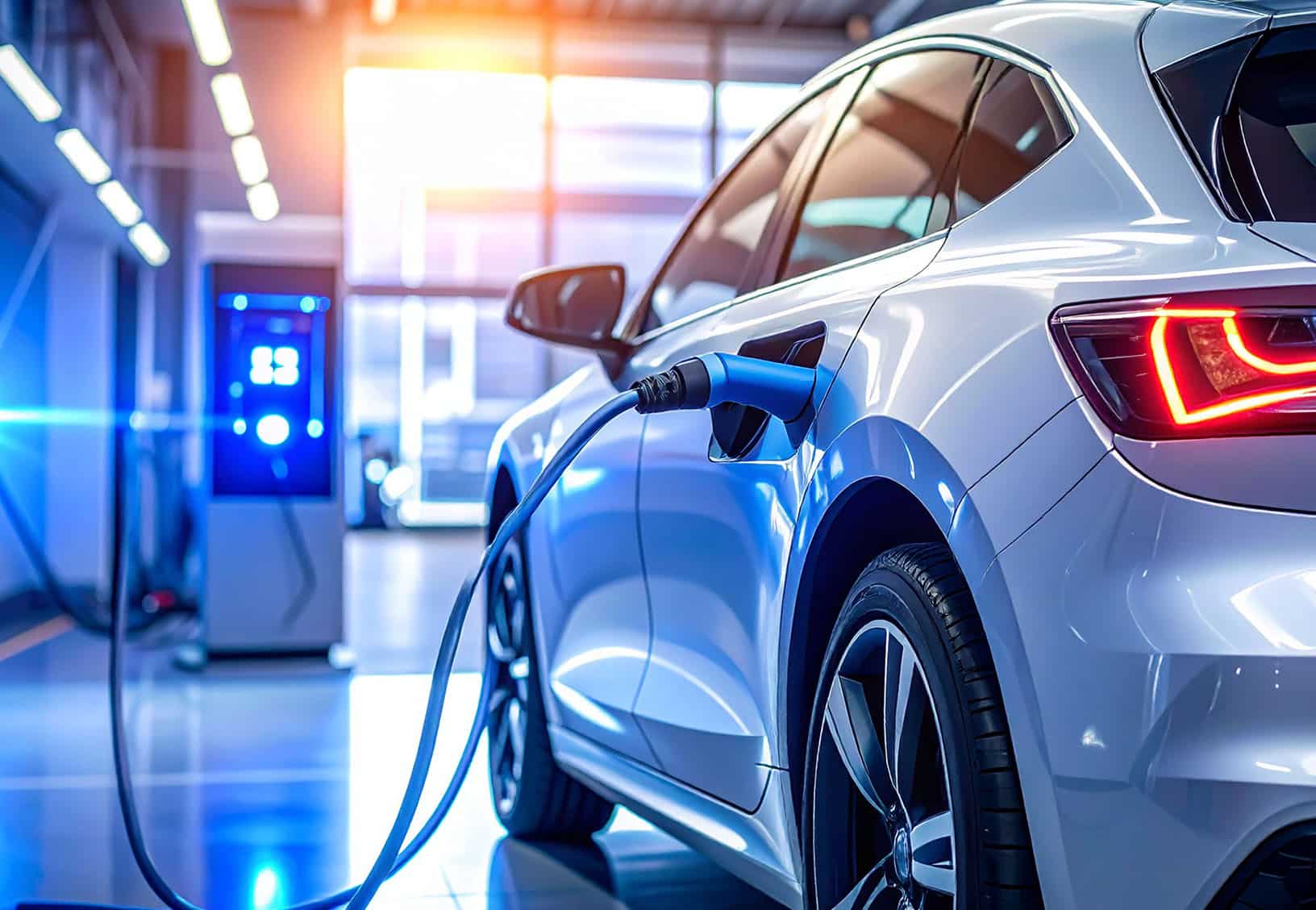

Entering the high-performance electric vehicle market required critical design decisions for which comprehensive market intelligence was necessary. The manufacturer faced several obstacles:
The comprehensive benchmarking analysis provided clear guidance for battery system design decisions. Working with the client's engineering teams, we delivered insights on cost-weight-performance trade-offs across four critical battery sub-systems. Such as a twenty-two percentage of cost differences when normalized for battery capacity.
25%
Weight differences between technical solutions
€16 - €21
Per Kwh cost range identified
1.5Kg
Per Kwh lightest solution

The engagement began by collaborating with the manufacturer to select and agree on four benchmark BEVs (battery electric vehicles), each representing a different approach to battery design in top-tier electric vehicles. We carefully defined the boundaries of the four component scopes with the client, ensuring clear categorization of what counted under busbar, cooling system, cell stacking and thermal propagation chapters.
Our analysis leveraged publicly available industry benchmarks and expert interpretation, using specialized platforms for bill of materials analysis. The team evaluated key parameters including energy density, total storage capacity, cooling system efficacy, material composition and modular design elements. We developed cost and weight estimates for each sub-system across all four vehicles, normalizing values per kilowatt/hour to enable meaningful comparisons despite different battery capacities.
The methodology included detailed technical descriptions of the differences between solutions, with visual representations highlighting the specific components under analysis. This approach enabled the client’s engineering and procurement teams to understand not just what solutions existed, but how costs and weights adjusted according to specific design choices.

Rising costs demand optimization from design through production. We apply cross-functional value engineering, zero-based redesign, and continuous cost tracking to protect margins.

Aging equipment meets rising costs and technology disruption. We transform operations through smart factory integration, predictive maintenance, and workforce capability building.

Markets demand profitable innovation faster than ever. We optimize the entire product lifecycle through design-to-cost, rapid prototyping, and portfolio profitability management.



45K m²
Optimized factory layout (reduced from 52 Km²)
Industrial Manufacturing
Creating a solid, structured plan for the material flow of its production and validated the static forecast, enabling the factory to increase the output with the existing machinery.
+800
Additional storage positions identified
Consumer Goods and Luxury
EFESO redesigned warehouse layout and internal logistics flows for a global consumer goods manufacturer, increasing storage capacity and improving operational efficiency in a brownfield production environment.

Up to 20%
Packaging cost reduction across multiple SKUs
Consumer Goods and Luxury
A major international toy manufacturer looking to optimize packaging and outsourced packing costs.

8%
EBITDA increase through improved operational productivity
Consumer Goods and Luxury
A global luxury fashion house aimed to improve operational productivity and achieve target EBITDA despite complex production challenges.

75%
Reduction in systematic start-up issues and improved right-first-time performance
Consumer Goods and Luxury
A global fast-moving consumer goods company sought to implement Early Equipment Management (EEM) across its operations to improve project execution and equipment start-up performance.

30%
Reduction in unplanned stops over 2 pilot lines
Consumer Goods and Luxury
A global consumer health company implemented an operational transformation, delivering a 30% reduction in unplanned stops and validated standards for global rollout, supporting a shift to a proactive operational culture.

~10K m²
Optimized factory footprint
Aerospace & Defense
Design of a future-proof, modular drone factory enabling multi-product manufacturing, rapid scalability, and optimized investment for aerospace defence applications.

Up to 37%
Increase in effective production capacity through downtime and changeover reduction
Life Sciences
A global pharmaceutical manufacturing company implemented a structured Maintenance Excellence Program combining diagnostics, pilot execution, and model design.