



+70K
Employees
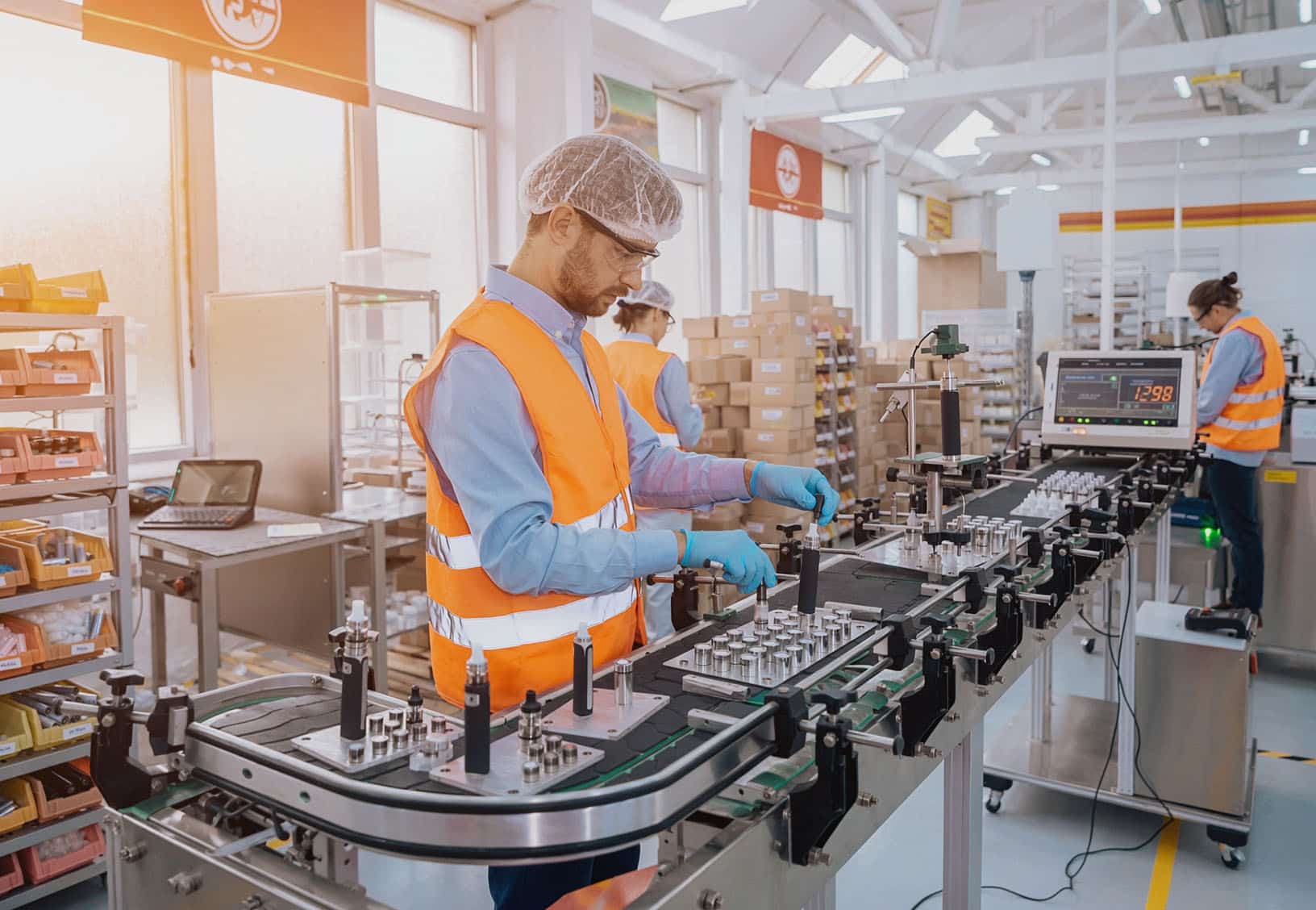
A global consumer goods company sought to accelerate its low-carbon transition within operations. Partnering with EFESO, the company analyzed energy consumption across e-cigarette manufacturing and packaging lines to identify optimization opportunities.
Industry: Consumer Goods and Luxury
Service: Sustainability

A global consumer goods company specializing in tobacco and nicotine products, with a broad portfolio distributed across multiple international markets.
+70K
Employees
+175
Served markets
“The Zero Losses Model is an excellent work!
“

The company aimed to accelerate its low-carbon transition and strengthen sustainability practices within manufacturing operations.
The project delivered measurable improvements in energy efficiency and established a data-driven model to support sustainable operations.
20%
Energy saving in e-cigarette manufacturing
≈€500K
Savings identified per year
≈20%
Reduction of kWh per million units produced

EFESO collaborated closely with the client team to develop a structured analytical approach for understanding and reducing energy consumption in manufacturing operations.

ESG pledges require embedded operational transformation. We deliver measurable impact through circular economy practices, carbon reduction programs, and sustainable value chain redesign.



80%
Projects realized on-time
Transportation, Logistics and Services
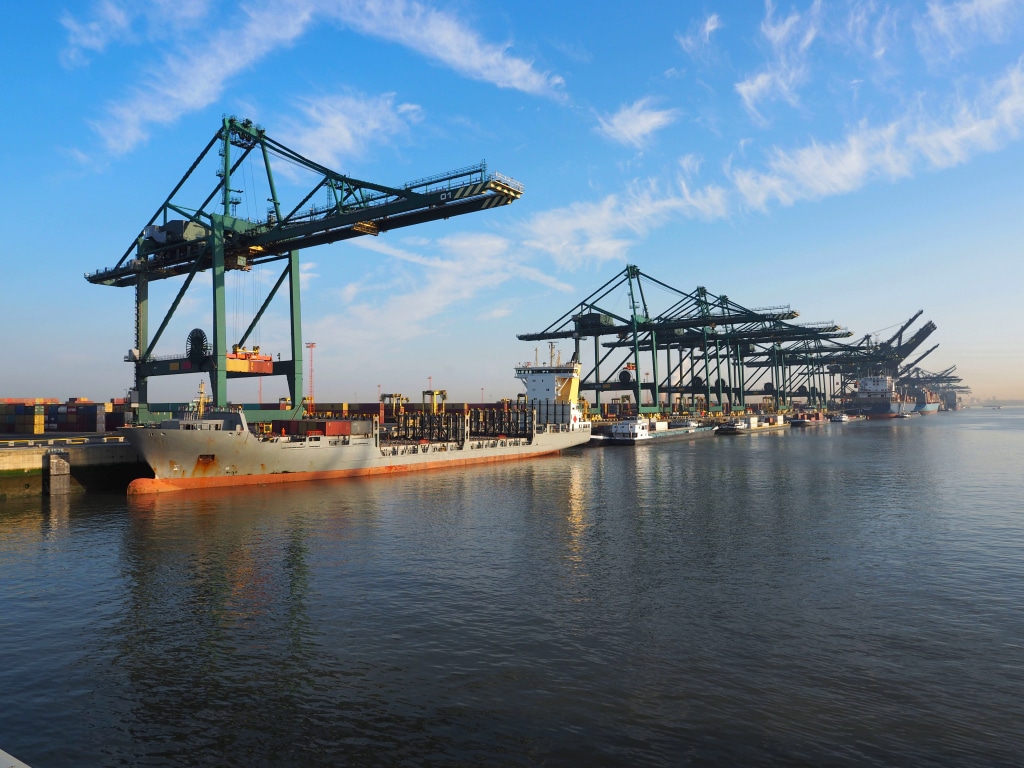
Transformed Europe's second-largest port into climate-neutral hub while increasing throughput and securing substantial EU funding.

-18%
GHG emissions reduction by 2025
Chemicals
Accelerated GHG reduction roadmap for chemical manufacturer targeting climate neutrality, delivering 18% emissions cut by 2025.

75%
Reduction in systematic start-up issues and improved right-first-time performance
Consumer Goods and Luxury
A global fast-moving consumer goods company sought to implement Early Equipment Management (EEM) across its operations to improve project execution and equipment start-up performance.

+€40M
Savings delivered
Packaging
Deployed global OpEx program across 25 plants, standardizing waste reduction practices to deliver €40M savings and 4.5M tons CO₂ reduction.
15%
Improvement in delivery performance (OTIF)
Resources Mining and Processing
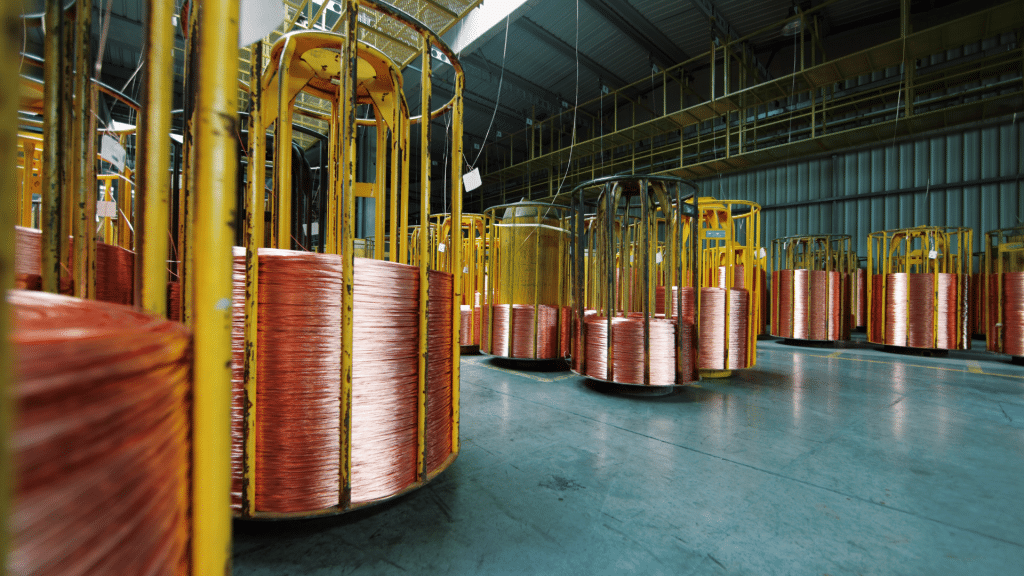
EFESO supported KME Group in integrating Sales & Operations Planning (S&OP) with its broader supply chain, driving strategic alignment, improving delivery performance by 15%, and reducing metal stock by 33%, resulting in a €100 million financial impact.

-10%
CapEx reduction for new buildings
Aerospace & Defense
Global aerospace manufacturer struggled with 180-site real estate complexity. We established centralized intelligence service, data-driven governance, and sustainability tracking, guiding €7 billion in asset decisions.

$25M
Cost reduction through organizational optimization
Chemicals
Specialty chemicals leader faced cost and reliability operational challenges. We harmonized processes, implemented enterprise standard work, and optimized operations, delivering $25M in annual savings.
88
Improvement projects launched
Packaging
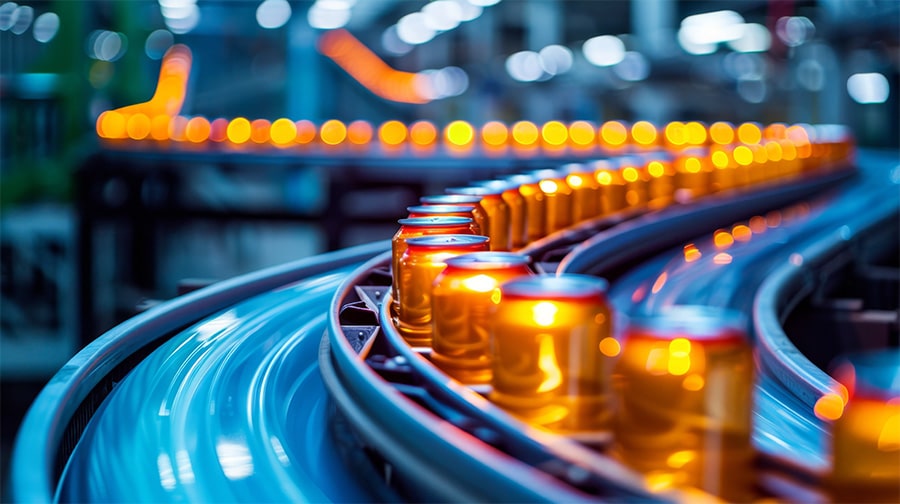
Food packaging leader deploys 88 project teams, achieving 5.3 million euros in savings and significant carbon reduction.