



+10K
Employees globally
A global specialty chemicals leader was facing significant cost and reliability challenges in operations. Their sites operated differently, there was no global playbook to Operate, Improve and Maintain plant operations. Disparate work processes were dated, or non- existent and site headcount had significantly grown overtime due to inefficiencies. In collaboration with EFESO, the company standardized and harmonized operations work processes and organizational structures through-out the enterprise which significantly reduced cost. The transformation touched facilities across continents, establishing consistent operating processes and organizational models while preserving critical institutional knowledge.
Industry: Chemicals
Service: Cost and Value Engineering
Service: Manufacturing
Service: Operations Strategy and Transformation
Service: People and Organization
Service: Sustainability

This global specialty chemical and performance materials company operates several distinct business units. With a century-long history of acquisitions, the company maintains operations across all continents through diverse manufacturing facilities that range in size and technological complexity.
+10K
Employees globally
+100
Facilities worldwide
>$10B
Annual revenue
+10
Sites in initial scope


The organization faced critical operational inconsistencies that threatened productivity and cost-competitiveness. Key challenges included:
The partnership delivered comprehensive operational transformation through global process harmonization and organizational restructuring. Working across multiple continents, teams implemented standardized work processes that fundamentally changed how plants operate, maintain equipment and ensure quality within the 2 years of project implementation.
$25M
Cost reduction through organizational optimization
15%
Capacity increase unlocked
$12M
NCM reduction & disposal cost avoidance

EFESO worked closely with the client’s global leadership team to develop and implement standard work, supported by robust change management. The engagement began with an assessment focusing on operations, maintenance, reliability, quality and process improvement.
Working through collaborative workshops with representatives from twelve sites, teams built a comprehensive standard work process framework that could be adapted to accommodate different business arms and site-specific nuances. The approach included developing streamlined, role-based organizational models that de-layered structures while providing clear responsibilities and accountability.
Implementation involved a train-the-trainer model, providing detailed training to selected individuals who then cascaded knowledge throughout their sites. This included exercises to identify gaps in current processes and develop operational transformation plans. Teams created extensive training documentation including PowerPoint presentations, one-point lessons and gallery walks, ensuring comprehensive knowledge transfer. A program management office provided oversight and governance to implement the new ways of working across multiple global sites.

Rising costs demand optimization from design through production. We apply cross-functional value engineering, zero-based redesign, and continuous cost tracking to protect margins.

Aging equipment meets rising costs and technology disruption. We transform operations through smart factory integration, predictive maintenance, and workforce capability building.

Helping organizations rethink how they create value. We strengthen performance, build resilience, and accelerate growth across every layer of your business.

Workforce transformation, leadership development, and structure optimization. Learn more about our People & Organization consulting services.

ESG pledges require embedded operational transformation. We deliver measurable impact through circular economy practices, carbon reduction programs, and sustainable value chain redesign.


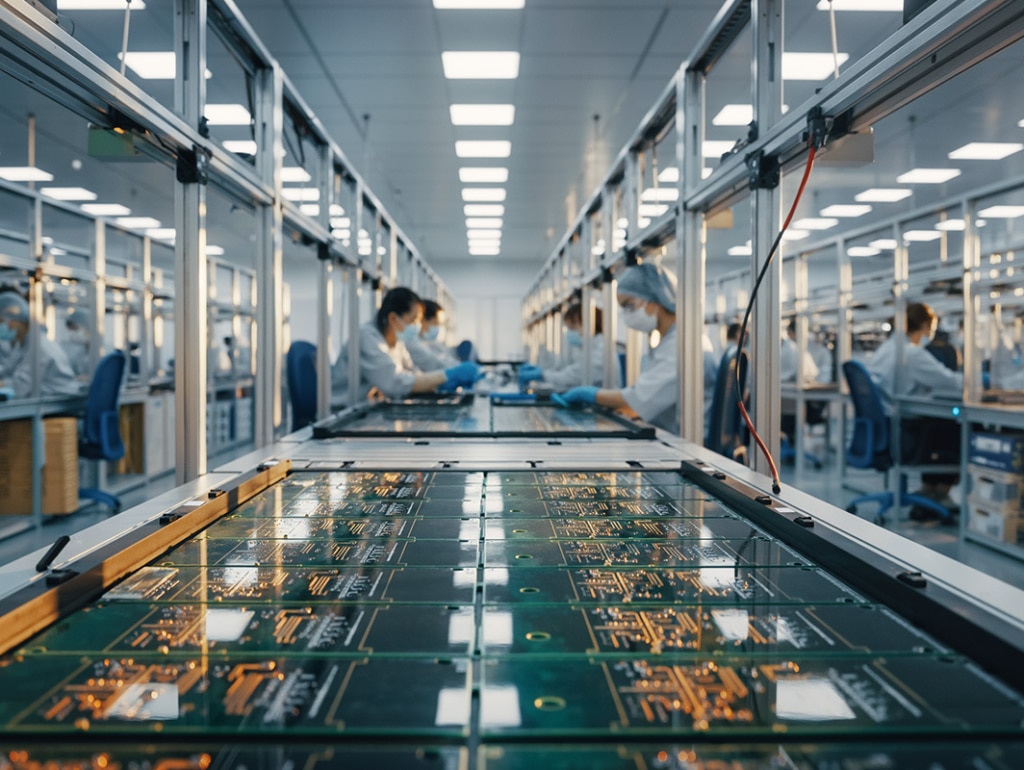
45K m²
Optimized factory layout (reduced from 52 Km²)
Industrial Manufacturing
Creating a solid, structured plan for the material flow of its production and validated the static forecast, enabling the factory to increase the output with the existing machinery.

Up to 20%
Packaging cost reduction across multiple SKUs
Consumer Goods and Luxury
A major international toy manufacturer looking to optimize packaging and outsourced packing costs.

8%
EBITDA increase through improved operational productivity
Consumer Goods and Luxury
A global luxury fashion house aimed to improve operational productivity and achieve target EBITDA despite complex production challenges.
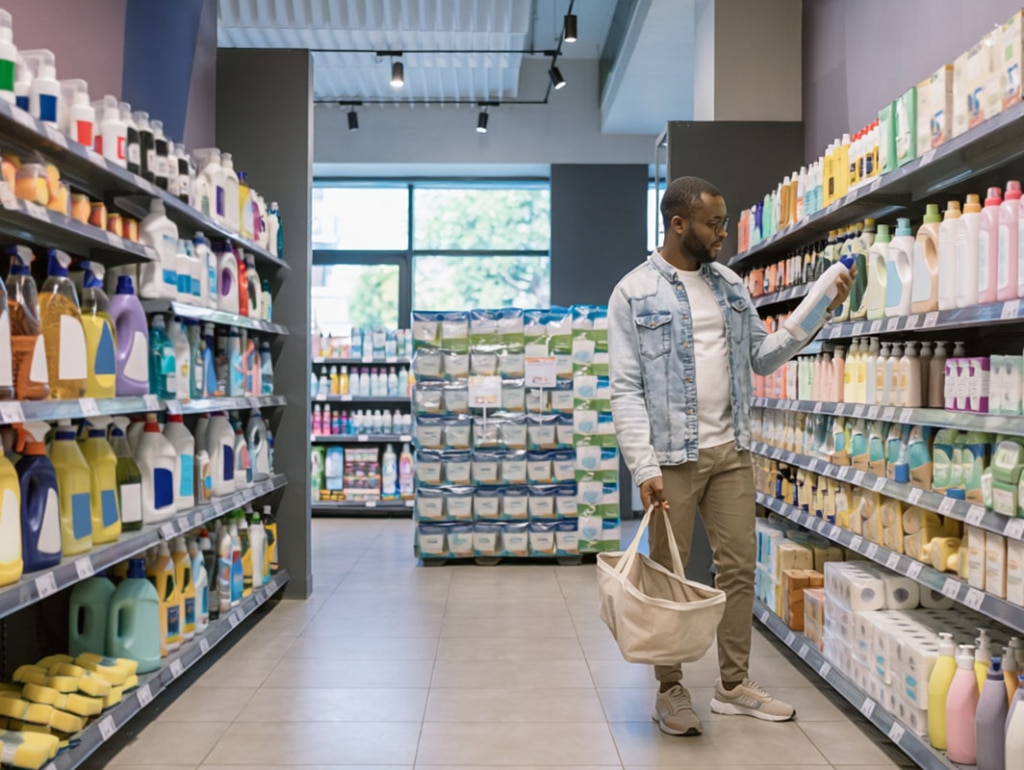
75%
Reduction in systematic start-up issues and improved right-first-time performance
Consumer Goods and Luxury
A global fast-moving consumer goods company sought to implement Early Equipment Management (EEM) across its operations to improve project execution and equipment start-up performance.
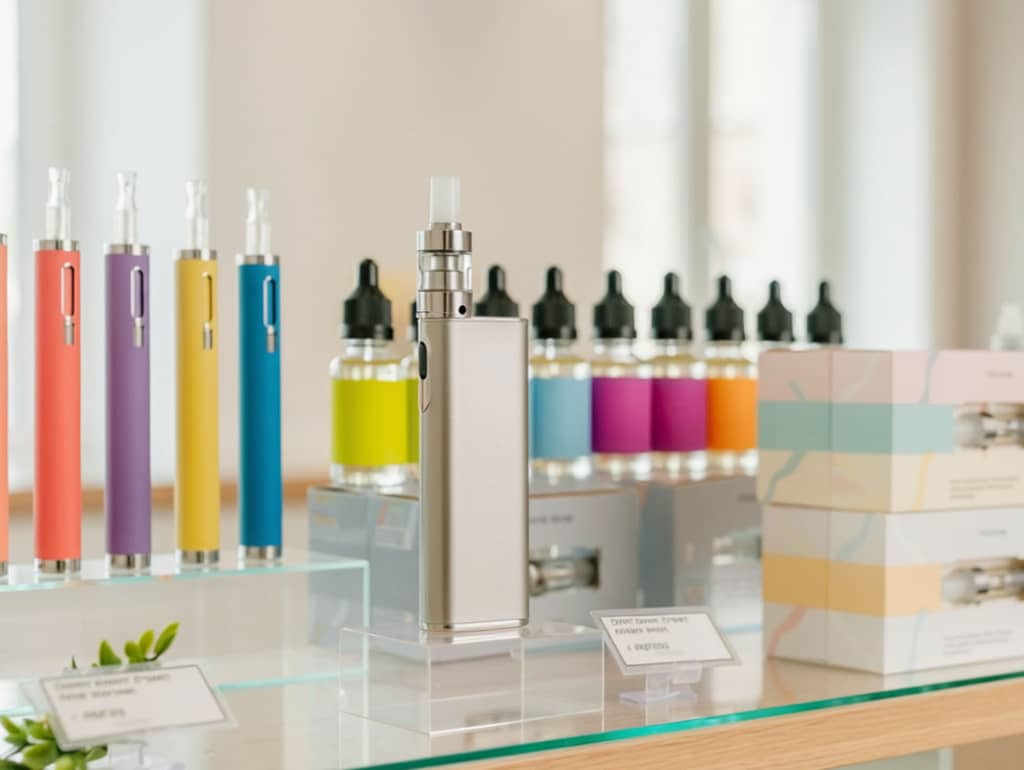
20%
Energy saving in e-cigarette manufacturing
Consumer Goods and Luxury
A global consumer goods company specializing in tobacco and nicotine products sought to accelerate its low-carbon transition within operations.

30%
Reduction in unplanned stops over 2 pilot lines
Consumer Goods and Luxury
A global consumer health company implemented an operational transformation, delivering a 30% reduction in unplanned stops and validated standards for global rollout, supporting a shift to a proactive operational culture.

4
Legal-entity handbooks detailing processes, systems, and organizational structures at Level-3 detail
Consumer Goods and Luxury
Discover how EFESO helped defined a Target Operating Model (TOM) that improved governance and created the foundation for future ERP implementation.

~10K m²
Optimized factory footprint
Aerospace & Defense
Design of a future-proof, modular drone factory enabling multi-product manufacturing, rapid scalability, and optimized investment for aerospace defence applications.