



+€330M
Annual turnover
A specialized sportswear manufacturer faced mounting pressure from concentrated Asian supply chains and limited distribution flexibility. Working with EFESO, the company transformed its operations across three continents, establishing new distribution hubs and optimizing warehouse processes. This comprehensive operational overhaul delivered €965,000 in annual savings while dramatically improving market responsiveness.
Industry: Consumer Goods and Luxury
Service: Logistics and Distribution
Service: Manufacturing
Service: Operations Strategy and Transformation
Service: Supply Chain

This multinational leader designs and manufactures technical clothing, apparel, footwear and protection systems for motorsports and action sports. Operating with a hybrid distribution model combining direct drop shipment and stock-based fulfillment, the company manages operations across Europe, North America, Asia-Pacific and Latin America. Its product portfolio spans multiple categories requiring specialized manufacturing and distribution capabilities.
+€330M
Annual turnover
25K
SKUs managed yearly
+700
Employees worldwide
25K sqm
Main warehouse capacity


The company’s growth trajectory collided with operational constraints that threatened profitability and market expansion opportunities.
The transformation encompassed distribution network redesign, warehouse optimization and a successful eCommerce B2C launch. Working alongside internal teams, we implemented targeted improvements across the entire supply chain, from supplier management to last-mile delivery.
€965K
Annual warehouse cost reduction
-24%
Total warehousing costs
+45%
Assembly line productivity

Working closely with the in-house team, we conducted comprehensive RFI, RFQ and expert interviews for 3PL selection across Vietnam, Malaysia and Singapore, evaluating market proximity, service costs and country regulations.
The warehouse transformation introduced double-capacity picking methods along with flexible shelf and bin storage systems for slow-movers. We also optimized forklift replenishment policies, reducing workload by half.
Together we implemented batch picking for ecommerce orders, designed dedicated packing stations with branded packaging and established quality control gates for returns processing. We also developed SKU allocation strategies based on rotation classes, separating high-runners for pallet picking, medium-runners for carton shelving and low-runners for single-piece management.
The implementation included MRP parameter adjustments, production sequencing tools and MES system installation for performance monitoring. Knowledge transfer occurred through visual management boards, KPI dashboards and structured management routines that bridged B2B and B2C operations.

Aging equipment meets rising costs and technology disruption. We transform operations through smart factory integration, predictive maintenance, and workforce capability building.

Helping organizations rethink how they create value. We strengthen performance, build resilience, and accelerate growth across every layer of your business.

Supplier complexity obscures 70% of your value creation. We strengthen networks through supplier development programs, risk mitigation strategies, and collaborative innovation platforms.



+800
Additional storage positions identified
Consumer Goods and Luxury
EFESO redesigned warehouse layout and internal logistics flows for a global consumer goods manufacturer, increasing storage capacity and improving operational efficiency in a brownfield production environment.

+16.3%
Production efficiency improvement
Consumer Goods and Luxury
A global leader in home and garden manufacturing looking to optimize production capacity without new investments.

Up to 20%
Packaging cost reduction across multiple SKUs
Consumer Goods and Luxury
A major international toy manufacturer looking to optimize packaging and outsourced packing costs.

8%
EBITDA increase through improved operational productivity
Consumer Goods and Luxury
A global luxury fashion house aimed to improve operational productivity and achieve target EBITDA despite complex production challenges.

30%
Improvement in sales forecast accuracy through advanced analytics
Consumer Goods and Luxury
A family-owned luxury jewelry designer and retailer seeking to improve supply chain agility to better support its private sales model.
€8M
CapEx and OpEx savings over 3 years versus baseline scenario
Consumer Goods and Luxury
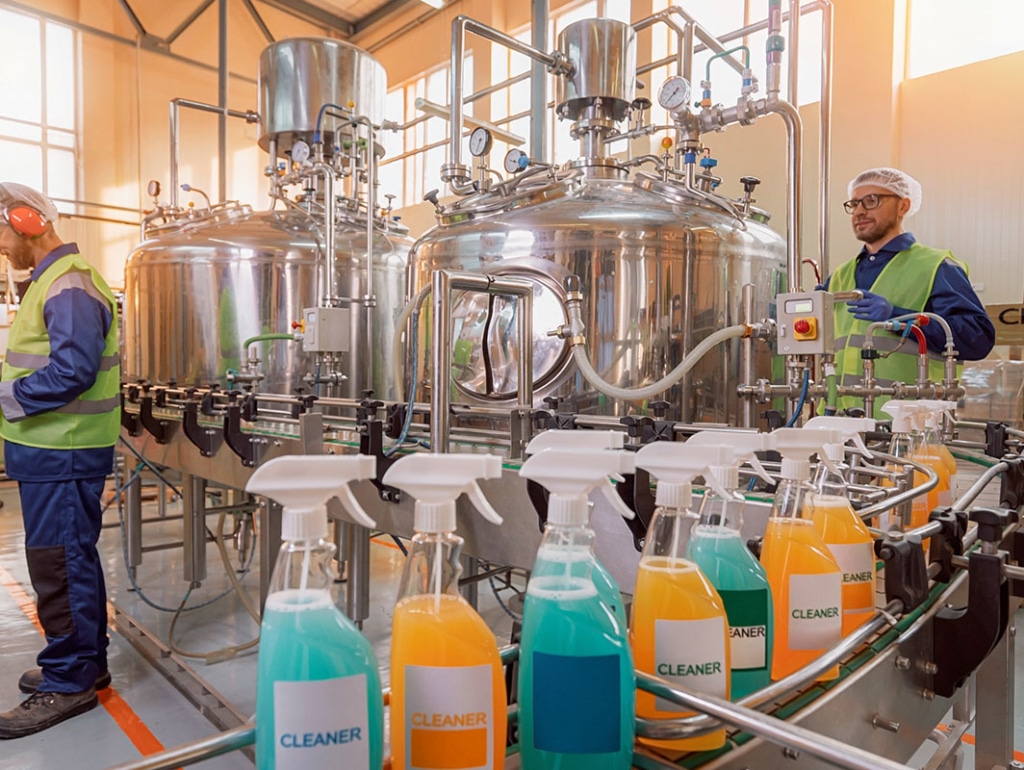
A leading European manufacturer of home care products sought to challenge and optimize its industrial and logistics footprint following strong external growth.

30%
Reduction in unplanned stops over 2 pilot lines
Consumer Goods and Luxury
A global consumer health company implemented an operational transformation, delivering a 30% reduction in unplanned stops and validated standards for global rollout, supporting a shift to a proactive operational culture.

4
Legal-entity handbooks detailing processes, systems, and organizational structures at Level-3 detail
Consumer Goods and Luxury
Discover how EFESO helped defined a Target Operating Model (TOM) that improved governance and created the foundation for future ERP implementation.