



140
Machines in CapEx-optimized operation
A manufacturer of sensor heads must quickly increase its production output after the SOP (Start of Production) of a newly built plant. However, only limited machinery is available there for the fabrication of quality-sensitive products with a high R&D iteration rate. Together with EFESO, the plant digitized its entire manufacturing process:
A fully parameterizable simulation now maps more than 900 process steps, so that all relevant KPIs such as production output, throughput time, and buffer utilization can be validated. In addition, process interrelationships were optimized and synchronized, allowing production to be fine-tuned in a virtual environment. This enables the conservatively planned factory to keep pace with an extremely dynamic market and increase the number of units produced in line with demand.
Industry: Industrial Manufacturing
Service: Cost and Value Engineering
Service: Data & Ai
Service: Digital & Ai
Service: Factory Planning
Service: Manufacturing
Service: Smart Factory
Service: Supply Chain

The company specializes in the production of sensor heads for industrial applications. It implemented a greenfield project at a site in Asia in order to meet customer requirements in the application area "distance measurement" with a new product variant.
140
Machines in CapEx-optimized operation
+900
Process steps in the simulated lines
+50
Simulation parameters from process times to control concepts


After the SOP, the order target was reliably fulfilled, but the company’s customer now needed significantly more products in a short space of time. Therefore, the plant had to increase its output and quickly adjust its machine utilization and production planning. The main challenges were:
Together with EFESO, the company created a solid, structured plan for the material flow of its production and validated the static forecast. This enables the factory to increase the output with the existing machinery.
12
"Golden Rules" implemented for production planning
10%
Increase in output confirmed
6
Critical parameters validated

The factory achieved significant results in a short space of time with EFESO. The decisive aspects were:

Rising costs demand optimization from design through production. We apply cross-functional value engineering, zero-based redesign, and continuous cost tracking to protect margins.

Digital investments fail to deliver operational impact. We translate technology into performance gains through practical AI deployment, data-driven decision systems, and frontline digital tools.
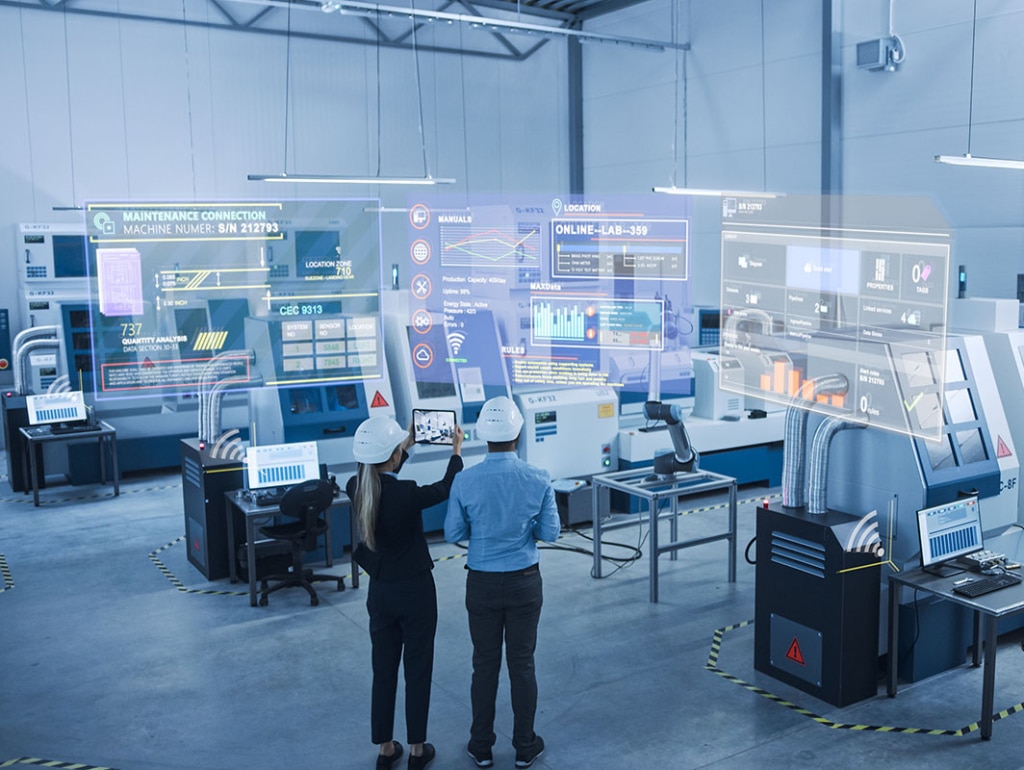
Aging equipment meets rising costs and technology disruption. We transform operations through smart factory integration, predictive maintenance, and workforce capability building.

Supplier complexity obscures 70% of your value creation. We strengthen networks through supplier development programs, risk mitigation strategies, and collaborative innovation platforms.


+800
Additional storage positions identified
Consumer Goods and Luxury
EFESO redesigned warehouse layout and internal logistics flows for a global consumer goods manufacturer, increasing storage capacity and improving operational efficiency in a brownfield production environment.

+16.3%
Production efficiency improvement
Consumer Goods and Luxury
A global leader in home and garden manufacturing looking to optimize production capacity without new investments.

Up to 20%
Packaging cost reduction across multiple SKUs
Consumer Goods and Luxury
A major international toy manufacturer looking to optimize packaging and outsourced packing costs.

8%
EBITDA increase through improved operational productivity
Consumer Goods and Luxury
A global luxury fashion house aimed to improve operational productivity and achieve target EBITDA despite complex production challenges.

30%
Improvement in sales forecast accuracy through advanced analytics
Consumer Goods and Luxury
A family-owned luxury jewelry designer and retailer seeking to improve supply chain agility to better support its private sales model.

75%
Reduction in systematic start-up issues and improved right-first-time performance
Consumer Goods and Luxury
A global fast-moving consumer goods company sought to implement Early Equipment Management (EEM) across its operations to improve project execution and equipment start-up performance.
€8M
CapEx and OpEx savings over 3 years versus baseline scenario
Consumer Goods and Luxury
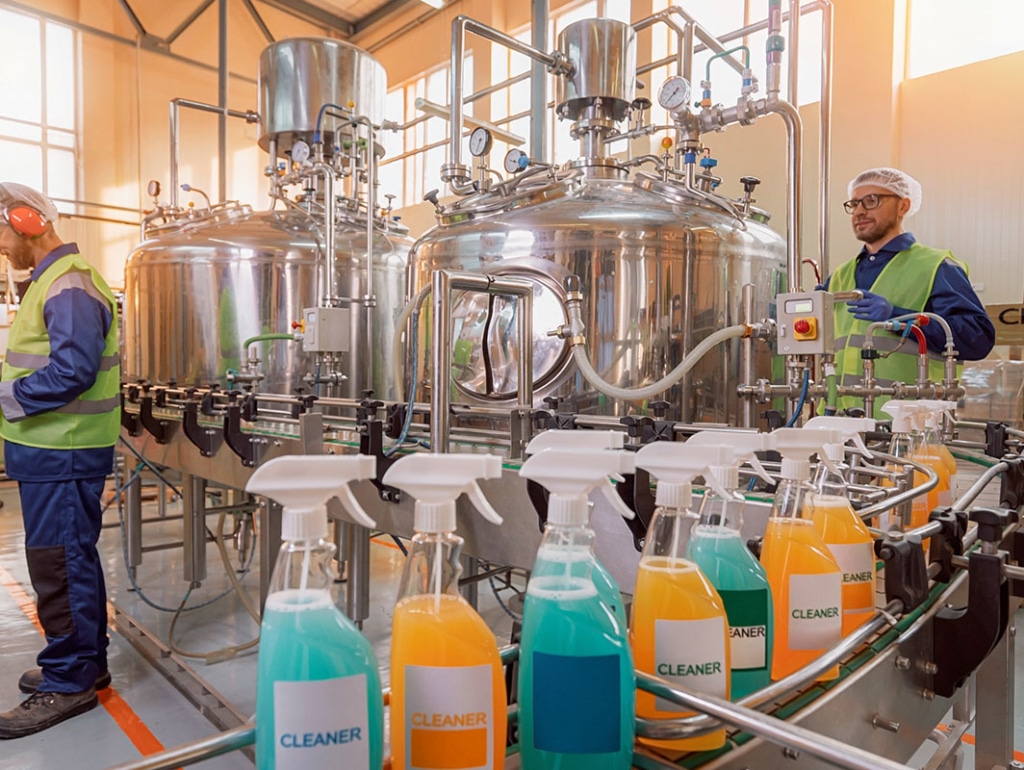
A leading European manufacturer of home care products sought to challenge and optimize its industrial and logistics footprint following strong external growth.

30%
Reduction in unplanned stops over 2 pilot lines
Consumer Goods and Luxury
A global consumer health company implemented an operational transformation, delivering a 30% reduction in unplanned stops and validated standards for global rollout, supporting a shift to a proactive operational culture.