



+100
Countries
To refocus investments on features that matter most, an international food group embarked on a structured Redesign to Value (RtV) journey with EFESO. Through consumer insights, cross-functional collaboration, and systematic cost-to-value analysis, the Group improved product relevance, and unlocked substantial, validated savings.
Industry: Food & Beverage
Service: Industrial Strategy, Operating Model & Transformation
Service: Operational Excellence
Service: Supply Chain

An international food group active in more than 100 countries with a strong portfolio across supermarkets and superstores. The company prioritizes innovation, differentiation, and continuous value delivery to its consumers.
+100
Countries

“Very effective exercise with a strict but necessary methodology that allowed to obtain significant results quickly.
“
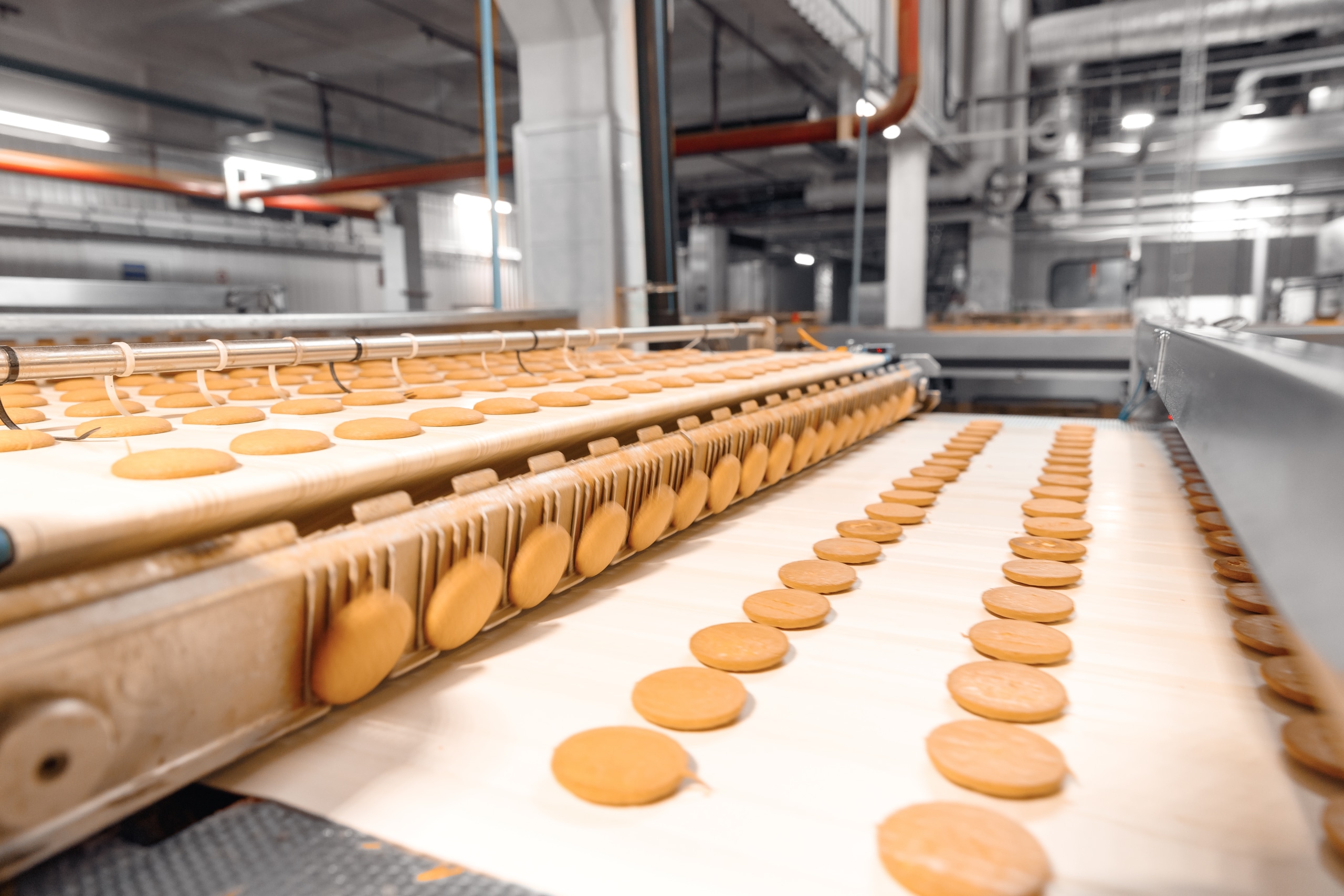
Despite a robust brand portfolio, the company faced a critical strategic issue: internal assumptions about product features no longer matched consumer expectations. This gap led to investments in attributes that consumers did not significantly value.
To realign product strategy, the company needed a structured, consumer-driven approach to identify:
The goal was clear: redesign iconic products based on objective consumer value, optimize costs, and build internal capability to replicate the methodology independently.
The Redesign to Value program generated measurable financial impact, improved perceived quality, and reinforced a consumer-centric culture across brands and functions.
€1.3M
Projected annual savings for one brand
-11%
annual cost savings identified
+20
People trained on RtV methodology

EFESO partnered with the Group to design a multi-brand Value Analysis and Redesign program executed over a two-month cycle per product group.
The methodology followed six structured steps:
The process co-created solutions with client teams while building internal capability. Following early successes, the Group began rolling out the methodology across additional brands and business units.

Supplier complexity obscures 70% of your value creation. We strengthen networks through supplier development programs, risk mitigation strategies, and collaborative innovation platforms.


+800
Additional storage positions identified
Consumer Goods and Luxury
EFESO redesigned warehouse layout and internal logistics flows for a global consumer goods manufacturer, increasing storage capacity and improving operational efficiency in a brownfield production environment.

+16.3%
Production efficiency improvement
Consumer Goods and Luxury
A global leader in home and garden manufacturing looking to optimize production capacity without new investments.

Up to 20%
Packaging cost reduction across multiple SKUs
Consumer Goods and Luxury
A major international toy manufacturer looking to optimize packaging and outsourced packing costs.

8%
EBITDA increase through improved operational productivity
Consumer Goods and Luxury
A global luxury fashion house aimed to improve operational productivity and achieve target EBITDA despite complex production challenges.

30%
Improvement in sales forecast accuracy through advanced analytics
Consumer Goods and Luxury
A family-owned luxury jewelry designer and retailer seeking to improve supply chain agility to better support its private sales model.
€8M
CapEx and OpEx savings over 3 years versus baseline scenario
Consumer Goods and Luxury
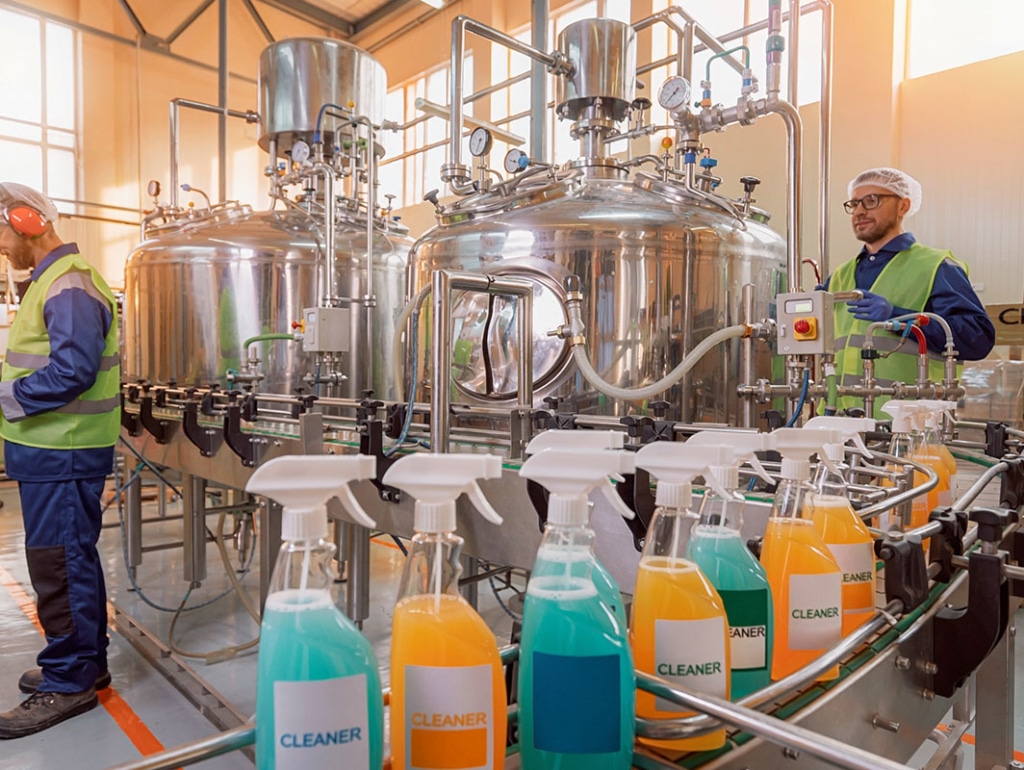
A leading European manufacturer of home care products sought to challenge and optimize its industrial and logistics footprint following strong external growth.

30%
Reduction in unplanned stops over 2 pilot lines
Consumer Goods and Luxury
A global consumer health company implemented an operational transformation, delivering a 30% reduction in unplanned stops and validated standards for global rollout, supporting a shift to a proactive operational culture.

4
Legal-entity handbooks detailing processes, systems, and organizational structures at Level-3 detail
Consumer Goods and Luxury
Discover how EFESO helped defined a Target Operating Model (TOM) that improved governance and created the foundation for future ERP implementation.