



3
Global engineering sites
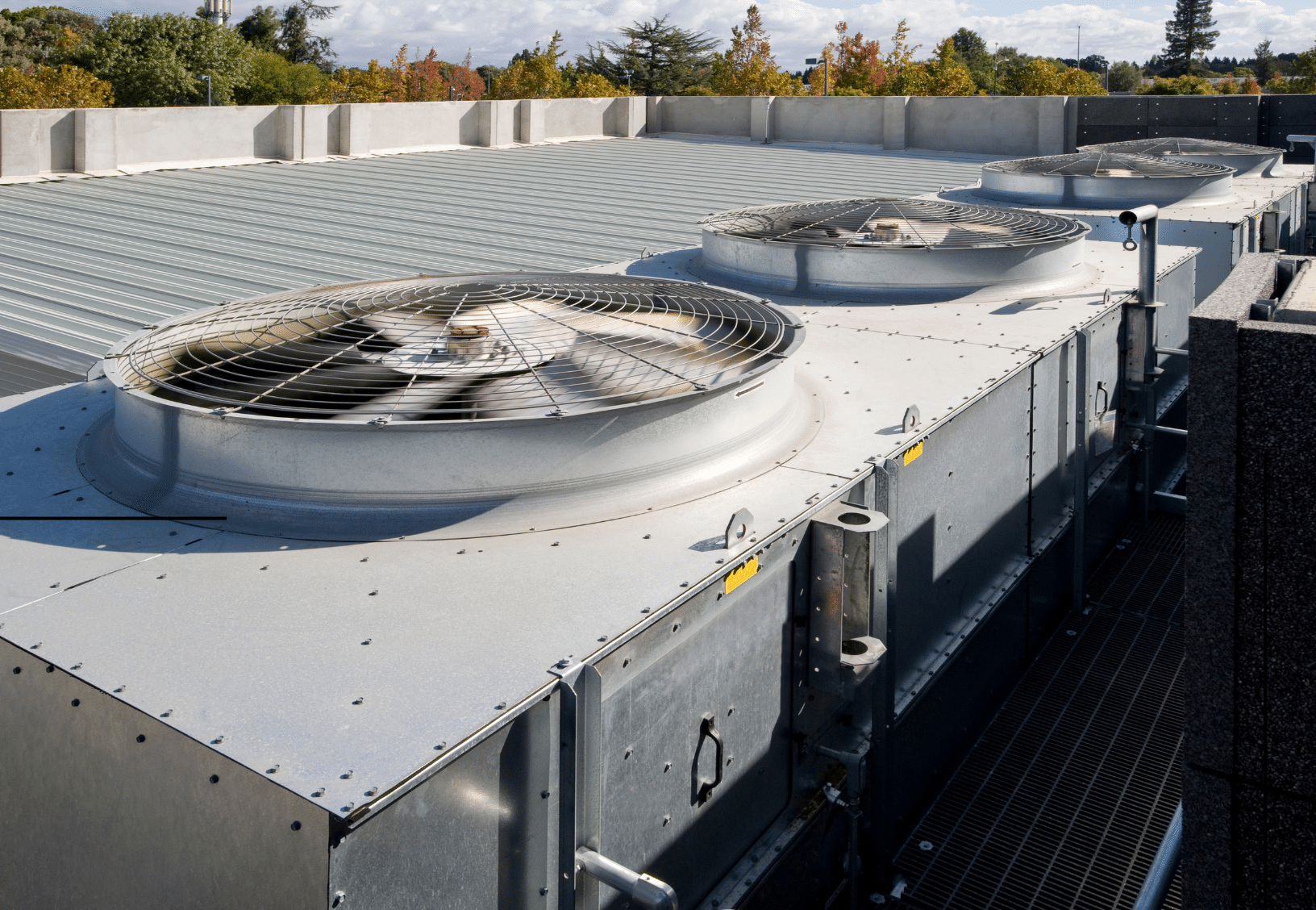
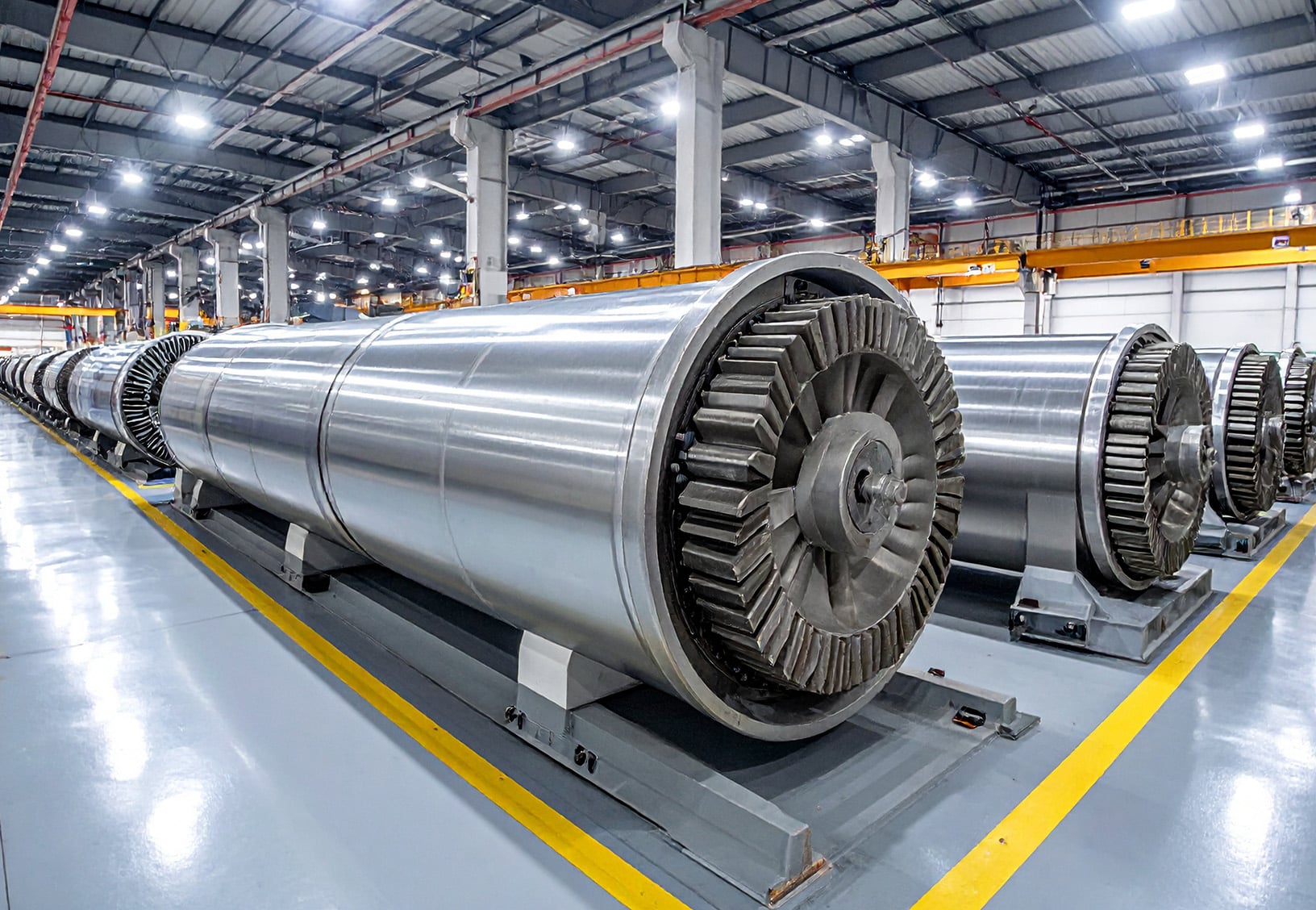
A German heat exchanger specialist faced mounting price pressure from Asian competitors, as well as needing to manage three distinct engineering cultures across its global sites. Together, we broke down internal barriers and developed best practices across its Germany, Hungary and US operations. This transformation unified decades of diverse approaches to engineering design to deliver critical product cost reductions and streamline future cross-company collaboration.
Industry: Industrial Manufacturing
Industry: Oil & Gas, Sustainable Energy
Service: Cost and Value Engineering
Service: Manufacturing
Service: Operations Strategy and Transformation
Service: People and Organization

This mid-sized German industrial company specializes in custom-designed heat exchangers and cooling towers for power generation. Operating engineering and production facilities across multiple continents, the company was built on a heritage of German manufacturing excellence. Each installation is unique, based on location, temperature requirements and operational parameters–making every project a custom engineering solution.
3
Global engineering sites
$48.7M
Annual revenue
4
Production facilities worldwide
Increasing competition from China and Korea, and aggressive pricing on comparable products, threatened the company’s market position.
The value engineering initiative transformed fragmented engineering operations into a collaborative network that preserved customization capabilities and helped to achieve significant cost reductions. This comprehensive program also established stronger cross-site collaboration processes and integrated best practices from each location.
10-12%
Reduction in overall system costs
-15%
Project cost reduction achieved
9-12
Months transformation timeline

The engagement centered on the VE 360 (value engineering 360-degree) methodology, beginning with diagnostic assessment and baseline mapping of the product portfolio and design processes across all sites. We divided all product groups into sub-systems–heat exchanger bundles, piping, ducts and tanks, electrical controls, steel and FRP structure–which were re-designed to reduce costs and define global standards.
Design commonality workshops brought multidisciplinary teams from each office together, with meetings rotating across all three locations to foster mutual respect and understanding. Each site presented its approaches during process benchmarking sessions, exposing best-in-class ideas and surfacing areas of redundancy. Standard design concepts were defined for all regions with options for local requirements, helping the organization to work better across regions and functions. Implementation included consensus-driven adoption of harmonized processes, balancing global standards with any necessary customization.

Rising costs demand optimization from design through production. We apply cross-functional value engineering, zero-based redesign, and continuous cost tracking to protect margins.

Aging equipment meets rising costs and technology disruption. We transform operations through smart factory integration, predictive maintenance, and workforce capability building.
Helping organizations rethink how they create value. We strengthen performance, build resilience, and accelerate growth across every layer of your business.
Workforce transformation, leadership development, and structure optimization. Learn more about our People & Organization consulting services.


+800
Additional storage positions identified
Consumer Goods and Luxury
EFESO redesigned warehouse layout and internal logistics flows for a global consumer goods manufacturer, increasing storage capacity and improving operational efficiency in a brownfield production environment.

Up to 20%
Packaging cost reduction across multiple SKUs
Consumer Goods and Luxury
A major international toy manufacturer looking to optimize packaging and outsourced packing costs.

8%
EBITDA increase through improved operational productivity
Consumer Goods and Luxury
A global luxury fashion house aimed to improve operational productivity and achieve target EBITDA despite complex production challenges.

75%
Reduction in systematic start-up issues and improved right-first-time performance
Consumer Goods and Luxury
A global fast-moving consumer goods company sought to implement Early Equipment Management (EEM) across its operations to improve project execution and equipment start-up performance.

30%
Reduction in unplanned stops over 2 pilot lines
Consumer Goods and Luxury
A global consumer health company implemented an operational transformation, delivering a 30% reduction in unplanned stops and validated standards for global rollout, supporting a shift to a proactive operational culture.

4
Legal-entity handbooks detailing processes, systems, and organizational structures at Level-3 detail
Consumer Goods and Luxury
Discover how EFESO helped defined a Target Operating Model (TOM) that improved governance and created the foundation for future ERP implementation.
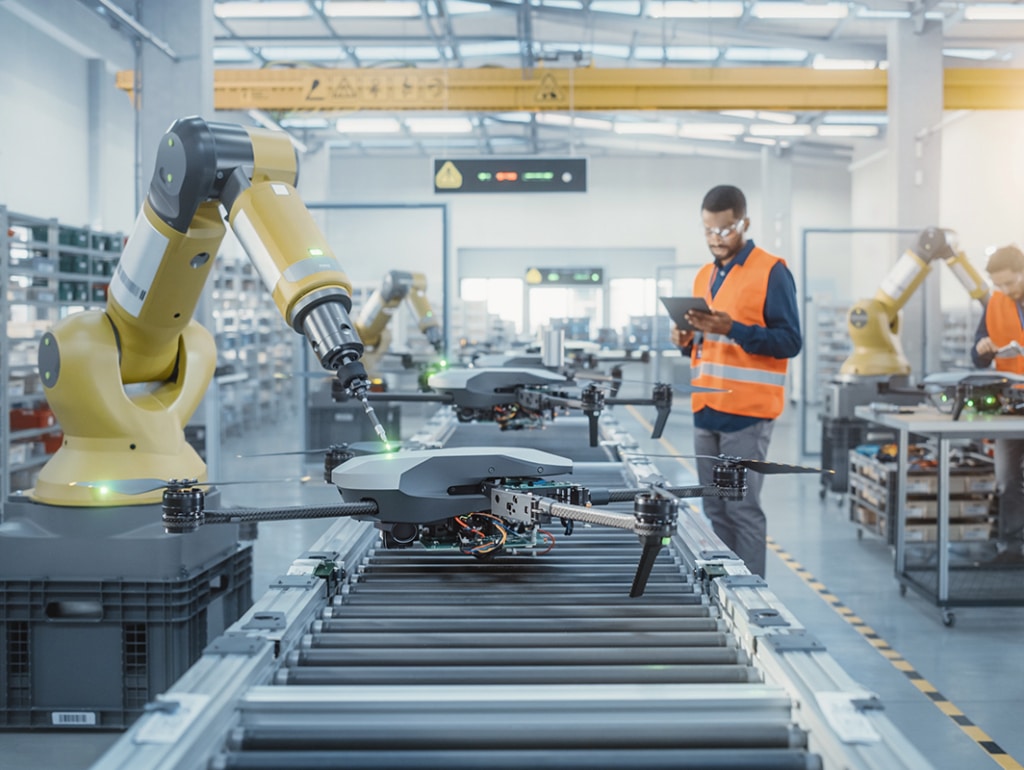
~10K m²
Optimized factory footprint
Aerospace & Defense
Design of a future-proof, modular drone factory enabling multi-product manufacturing, rapid scalability, and optimized investment for aerospace defence applications.

Up to 37%
Increase in effective production capacity through downtime and changeover reduction
Life Sciences
A global pharmaceutical manufacturing company implemented a structured Maintenance Excellence Program combining diagnostics, pilot execution, and model design.