



12
Batches per day capacity
A major pharmaceutical company wanted to significantly ramp-up volumes at one of its Car-T Cell Therapy facilities, without a proportional increase in staff. Together, we analyzed each lab test and developed detailed standard work and scheduling processes to maximize their productivity. This operational transformation enabled the site to triple the number of batches with its existing team structures.
Industry: Life Sciences
Service: Manufacturing
Service: Operations Strategy and Transformation

The company operates advanced cell therapy and Biotechnology facilities requiring complex Biotech, Microbiology and various cell therapy assays. Its operations demand precise coordination across multiple testing protocols while adhering to stringent pharmaceutical quality standards.
12
Batches per day capacity
24
FTEs for full operation
4-day
10-hour shift pattern

“"The results were transformative for our business."
“

The microbiology lab faced a critical operational constraint as batch volumes were set to increase significantly.
The lab transformation fundamentally changed how the facility manages its testing capacity and staff productivity. Working alongside in-house teams we created a scalable operational model that dramatically improved throughput without additional headcount.
+94%
Productivity improvement (12 batches/day)
+146%
Productivity increase (24 batches/day)
1.8→3.5
Batches per person per day

We began by analyzing every test performed and developing detailed standard work for each process.
For each test, we outlined all required activities, determining maximum samples per run and mapping each process step along with the time requirements and whether that time was hands-on occupied or unoccupied time.
Our focus centered on optimizing how different tests could be combined within staff roles – pairing suitable tests together to make a good use of analyst time and integrating tests with non-test tasks.
Everything was then integrated into a “rhythm wheel”, which schedules all the routine work in a set pattern. This comprehensive approach ensured that staff time was fully utilized rather than having people move ad hoc between tasks.

Aging equipment meets rising costs and technology disruption. We transform operations through smart factory integration, predictive maintenance, and workforce capability building.

Helping organizations rethink how they create value. We strengthen performance, build resilience, and accelerate growth across every layer of your business.


45K m²
Optimized factory layout (reduced from 52 Km²)
Industrial Manufacturing
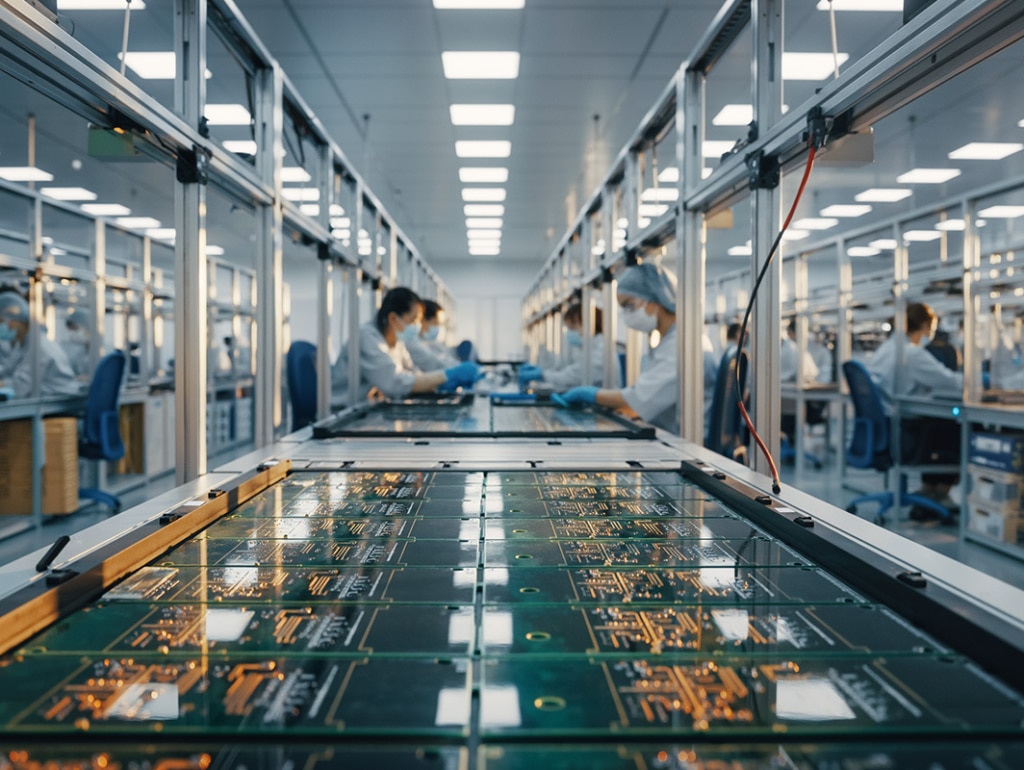
Creating a solid, structured plan for the material flow of its production and validated the static forecast, enabling the factory to increase the output with the existing machinery.

+800
Additional storage positions identified
Consumer Goods and Luxury
EFESO redesigned warehouse layout and internal logistics flows for a global consumer goods manufacturer, increasing storage capacity and improving operational efficiency in a brownfield production environment.

8%
EBITDA increase through improved operational productivity
Consumer Goods and Luxury
A global luxury fashion house aimed to improve operational productivity and achieve target EBITDA despite complex production challenges.

30%
Reduction in unplanned stops over 2 pilot lines
Consumer Goods and Luxury
A global consumer health company implemented an operational transformation, delivering a 30% reduction in unplanned stops and validated standards for global rollout, supporting a shift to a proactive operational culture.

4
Legal-entity handbooks detailing processes, systems, and organizational structures at Level-3 detail
Consumer Goods and Luxury
Discover how EFESO helped defined a Target Operating Model (TOM) that improved governance and created the foundation for future ERP implementation.

~10K m²
Optimized factory footprint
Aerospace & Defense
Design of a future-proof, modular drone factory enabling multi-product manufacturing, rapid scalability, and optimized investment for aerospace defence applications.
Up to 37%
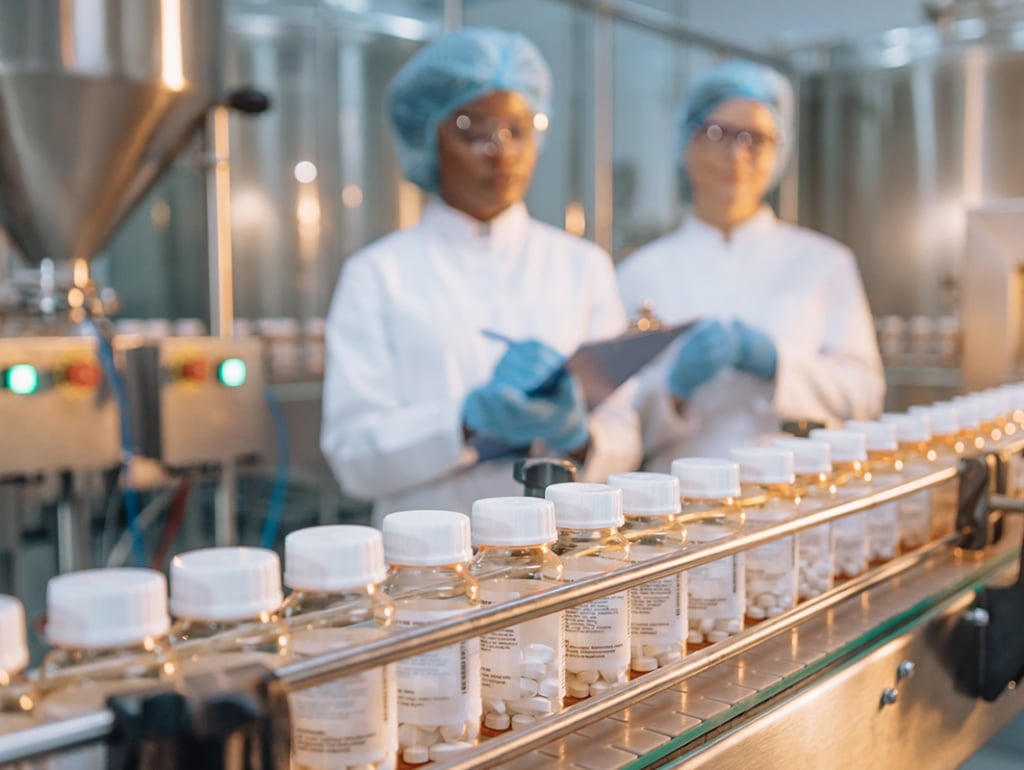
Increase in effective production capacity through downtime and changeover reduction
Life Sciences
A global pharmaceutical manufacturing company implemented a structured Maintenance Excellence Program combining diagnostics, pilot execution, and model design.
35%
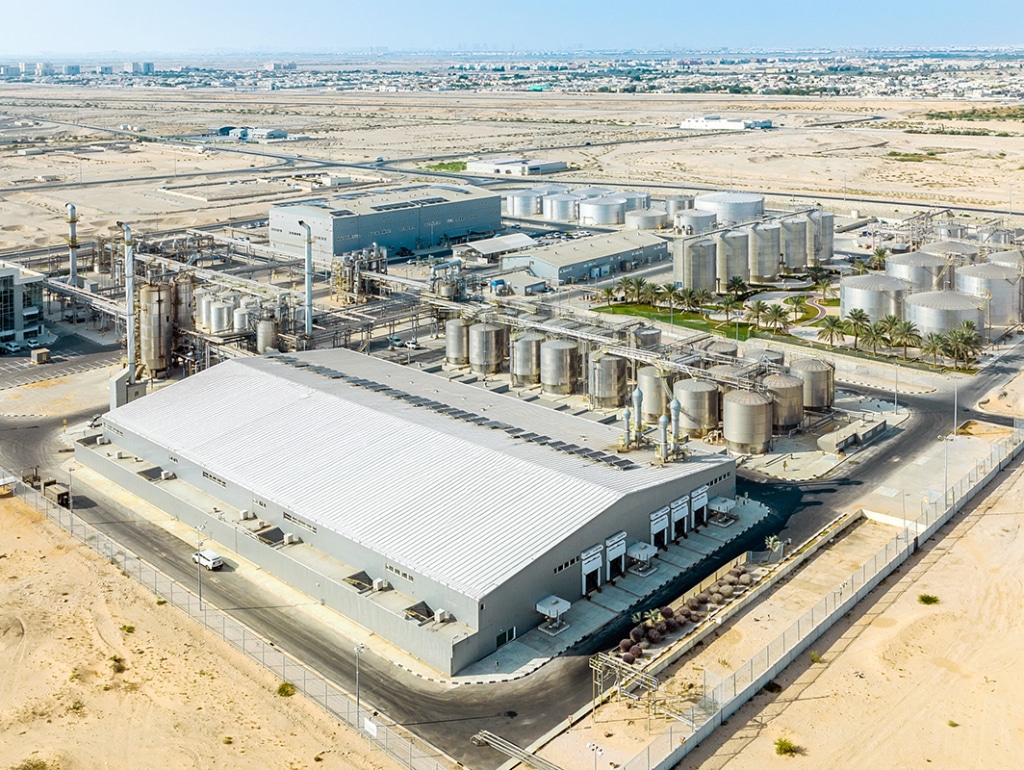
Reduction in logistics headcount through automation
Food & Beverage
EFESO supported the design and realization of a 30,000 sqm greenfield dairy plant, delivering an integrated factory planning concept with full automation and optimized material flows and scalable operational concepts.