



30
Countries
A leading global packaging manufacturer needed to reduce waste, minimize productivity losses, and lower conversion costs across a complex, multinational network. Together with EFESO, the organization deployed a TPM-based operating model and established scalable systems for continuous improvement.
Industry: Packaging
Service: Manufacturing
Service: Operational Excellence
Service: Operations Strategy and Transformation

A world-leading packaging manufacturer headquartered in the Nordics, operating across 30 countries and 80 production sites with a workforce of 18,000 employees and net sales of EUR 3.4 billion. The organization produces a diverse portfolio of packaging solutions and manages globally distributed assets with varying maturity levels and operational practices.
30
Countries
80
Sites worldwide
18K
Employees
€3.4B
Net sales


Rapid commercial growth and a diversified footprint had created operational variability across the client's network. Facing rising conversion costs and persistent productivity losses, the company required a unifying operating model capable of:
Through a structured TPM rollout anchored in lighthouse plants and scaled across the network, EFESO helped the organization embed performance routines, develop internal coaches, and capture measurable operational and financial impact.
€1M
Total run rate cost savings in Year 1 from 30 improvement teams
30
TPM coaches trained across the global network
-50%
Reduction in cost per participant due to remote delivery model

EFESO launched a comprehensive TPM (WCOM™) program across a phased network deployment model. The first year focused on lighthouse plants to validate methodologies, develop capability, and prove value. A second deployment wave extended the model to additional lighthouse and satellite sites, ensuring rapid scalability.
Due to COVID-19 restrictions, EFESO introduced an innovative remote delivery model supported by local consultants. This included virtual coaching, interactive Process Kaizen Engineer (PKE) skill development, and digital learning assets complemented by selective onsite interventions. The hybrid model accelerated knowledge transfer, reduced per-participant costs, and maintained implementation momentum.
Systems were put in place for skills matrices, performance audits, training delivery, and routine Gemba rounds—enabling sites to adopt standardized processes, share best practices, and reinforce behavioral change.

Aging equipment meets rising costs and technology disruption. We transform operations through smart factory integration, predictive maintenance, and workforce capability building.

Helping organizations rethink how they create value. We strengthen performance, build resilience, and accelerate growth across every layer of your business.


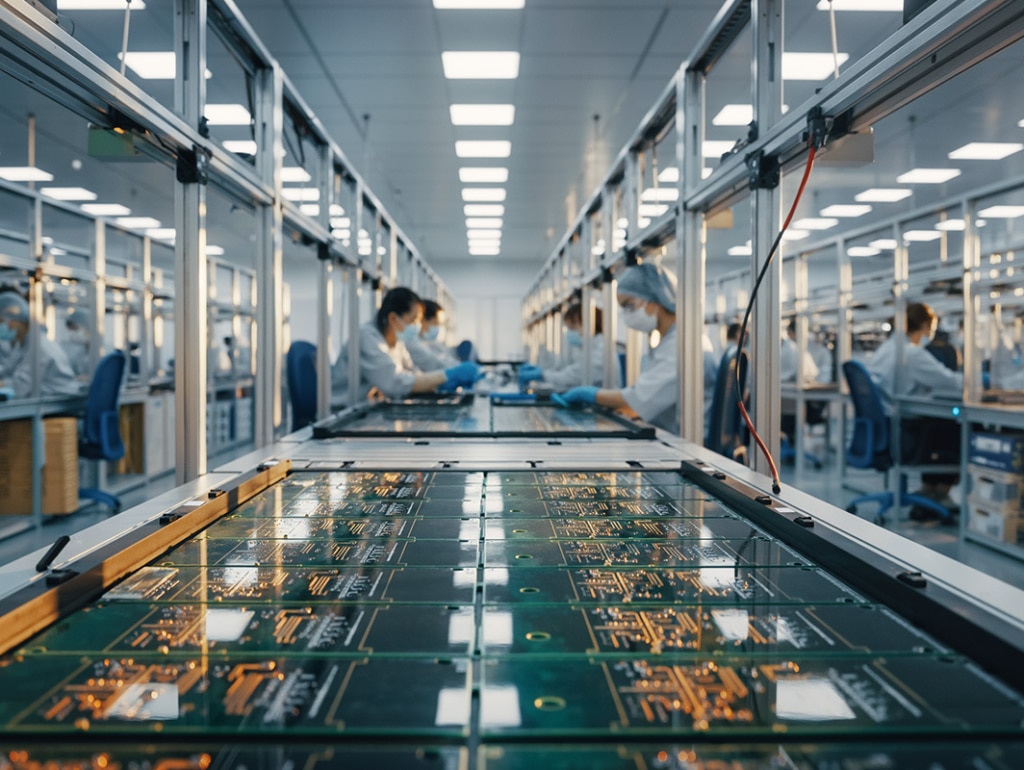
45K m²
Optimized factory layout (reduced from 52 Km²)
Industrial Manufacturing
Creating a solid, structured plan for the material flow of its production and validated the static forecast, enabling the factory to increase the output with the existing machinery.
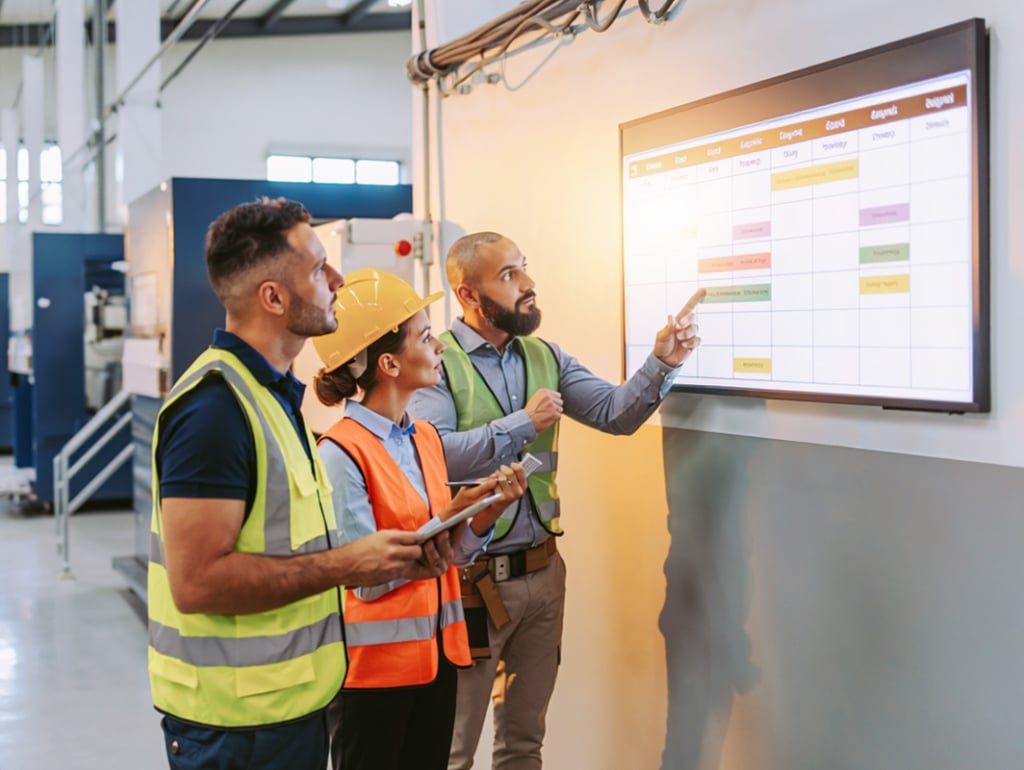
+800
Additional storage positions identified
Consumer Goods and Luxury
EFESO redesigned warehouse layout and internal logistics flows for a global consumer goods manufacturer, increasing storage capacity and improving operational efficiency in a brownfield production environment.

8%
EBITDA increase through improved operational productivity
Consumer Goods and Luxury
A global luxury fashion house aimed to improve operational productivity and achieve target EBITDA despite complex production challenges.

30%
Reduction in unplanned stops over 2 pilot lines
Consumer Goods and Luxury
A global consumer health company implemented an operational transformation, delivering a 30% reduction in unplanned stops and validated standards for global rollout, supporting a shift to a proactive operational culture.

4
Legal-entity handbooks detailing processes, systems, and organizational structures at Level-3 detail
Consumer Goods and Luxury
Discover how EFESO helped defined a Target Operating Model (TOM) that improved governance and created the foundation for future ERP implementation.

~10K m²
Optimized factory footprint
Aerospace & Defense
Design of a future-proof, modular drone factory enabling multi-product manufacturing, rapid scalability, and optimized investment for aerospace defence applications.

Up to 37%
Increase in effective production capacity through downtime and changeover reduction
Life Sciences
A global pharmaceutical manufacturing company implemented a structured Maintenance Excellence Program combining diagnostics, pilot execution, and model design.
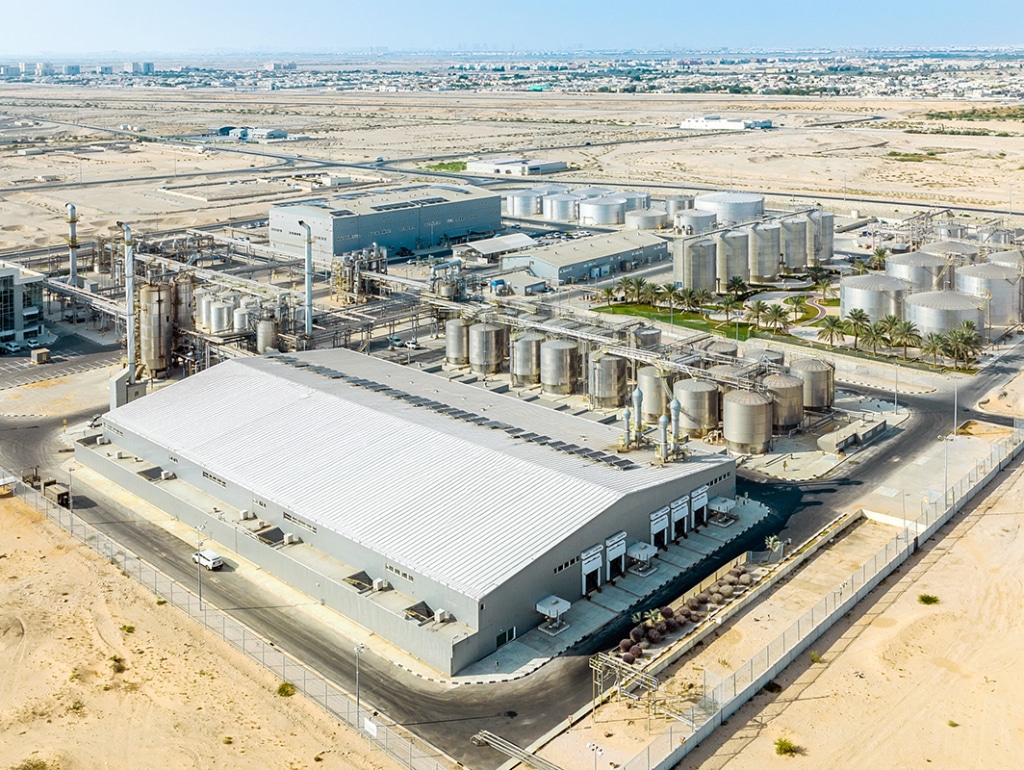
35%
Reduction in logistics headcount through automation
Food & Beverage
EFESO supported the design and realization of a 30,000 sqm greenfield dairy plant, delivering an integrated factory planning concept with full automation and optimized material flows and scalable operational concepts.