



70%
Budget allocated to bus operations
A public transport provider faced critical reliability challenges with the on-time performance of its buses and fleet breakdowns, impacting a US state’s public transit system. Together, we implemented a comprehensive operational excellence initiative spanning maintenance, operations and dispatch. This multi-year transformation journey included the creation of continuous improvement frameworks that fundamentally changed how 70% of the company’s operating budget is deployed to deliver services.
Industry: Transportation, Logistics and Services
Service: Manufacturing
Service: Operations Strategy and Transformation
Service: People and Organization

The company provides public transportation for a large US state and its surrounding areas. Operating within a unique business model due to lower subsidies compared to other major cities, the organization generates revenue independently through a combination of sales tax, grants and electrification incentives. The authority manages both bus and rail operations, with bus services representing the majority of its operational focus. Its fiscally responsible approach earned its CEO recognition from the American Public Transit Association.
70%
Budget allocated to bus operations
3
Bus Maintenance Facilities
+6
Years of collaboration


The company’s operational performance faced systemic constraints threatening service reliability and customer satisfaction across its transit network.
The transformation established new operational standards across the company’s maintenance and operations divisions. Working alongside leadership and frontline teams, we built sustainable continuous improvement capabilities that delivered measurable impact.
-45%
Reduction in maintenance backlog
25-30%
Labor productivity improvement
$8-10M
Equivalent direct labor cost savings

Our partnership evolved through multiple targeted initiatives building toward comprehensive transformation. We conducted efficiency studies in maintenance, developing dashboards and teaching management to drive improvements.
Leadership assessments evaluated transformation readiness through nine-box studies, categorizing leaders into stretch, develop and go-along categories based on operational excellence potential. The assessment revealed that 24% of leaders weren’t ready for the operational excellence environment, while others required varying levels of development.
Implementation focused on changing leadership and workforce culture while adopting systems-based approaches to information integration. We established rolling seven-day ahead scheduling processes, to keep technicians consistently assigned and productively engaged. Daily pulse processes challenged performance through accountability meetings where technicians reported progress and explained delays. Sprint improvement workshops empowered employees to identify waste and improve everyday processes. The approach integrated business intelligence systems, providing better information for active, real-time decision-making across bus operations, maintenance and dispatch teams.

Aging equipment meets rising costs and technology disruption. We transform operations through smart factory integration, predictive maintenance, and workforce capability building.

Helping organizations rethink how they create value. We strengthen performance, build resilience, and accelerate growth across every layer of your business.

Workforce transformation, leadership development, and structure optimization. Learn more about our People & Organization consulting services.


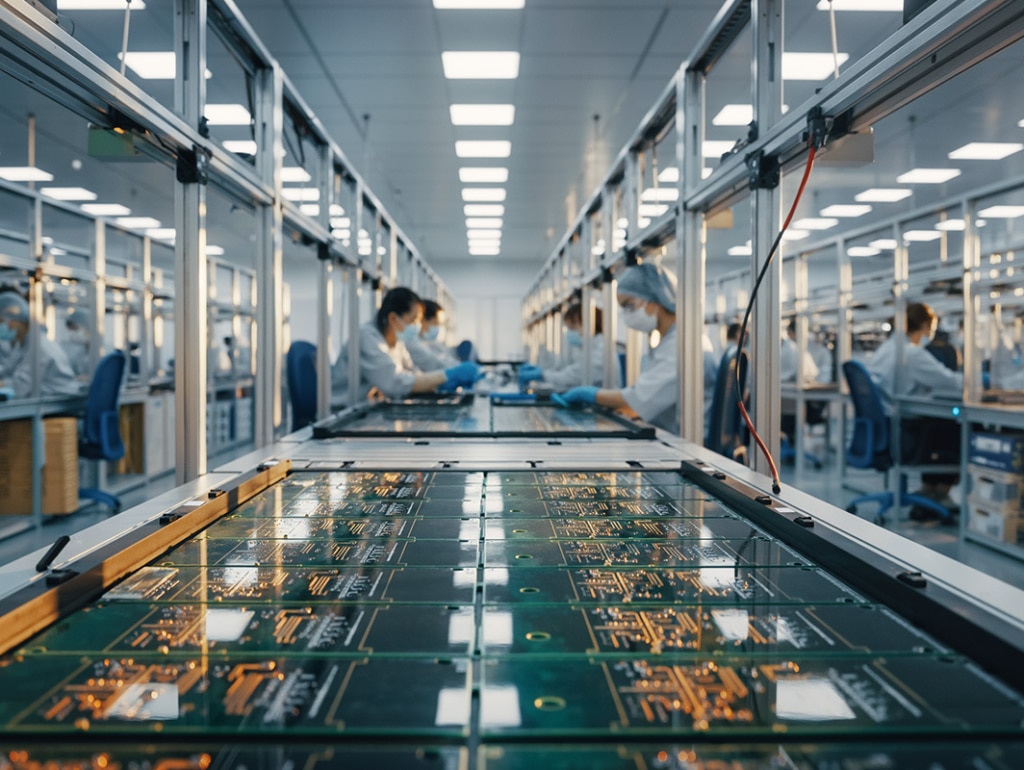
45K m²
Optimized factory layout (reduced from 52 Km²)
Industrial Manufacturing
Creating a solid, structured plan for the material flow of its production and validated the static forecast, enabling the factory to increase the output with the existing machinery.
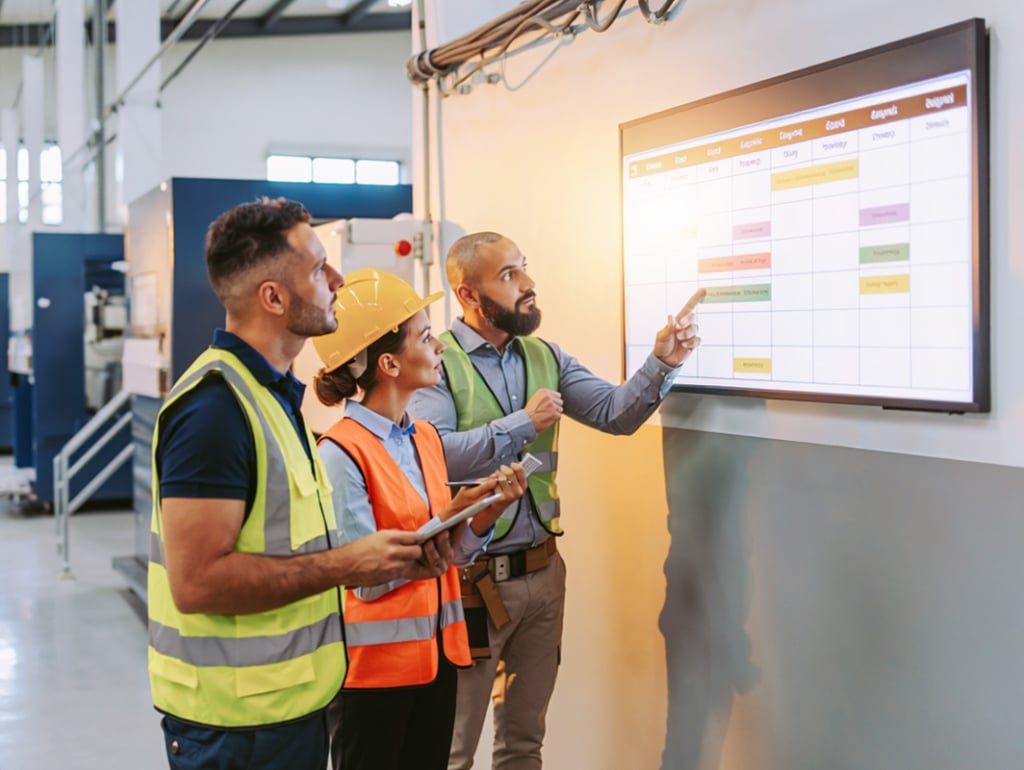
+800
Additional storage positions identified
Consumer Goods and Luxury
EFESO redesigned warehouse layout and internal logistics flows for a global consumer goods manufacturer, increasing storage capacity and improving operational efficiency in a brownfield production environment.

8%
EBITDA increase through improved operational productivity
Consumer Goods and Luxury
A global luxury fashion house aimed to improve operational productivity and achieve target EBITDA despite complex production challenges.

30%
Reduction in unplanned stops over 2 pilot lines
Consumer Goods and Luxury
A global consumer health company implemented an operational transformation, delivering a 30% reduction in unplanned stops and validated standards for global rollout, supporting a shift to a proactive operational culture.

4
Legal-entity handbooks detailing processes, systems, and organizational structures at Level-3 detail
Consumer Goods and Luxury
Discover how EFESO helped defined a Target Operating Model (TOM) that improved governance and created the foundation for future ERP implementation.

~10K m²
Optimized factory footprint
Aerospace & Defense
Design of a future-proof, modular drone factory enabling multi-product manufacturing, rapid scalability, and optimized investment for aerospace defence applications.

Up to 37%
Increase in effective production capacity through downtime and changeover reduction
Life Sciences
A global pharmaceutical manufacturing company implemented a structured Maintenance Excellence Program combining diagnostics, pilot execution, and model design.
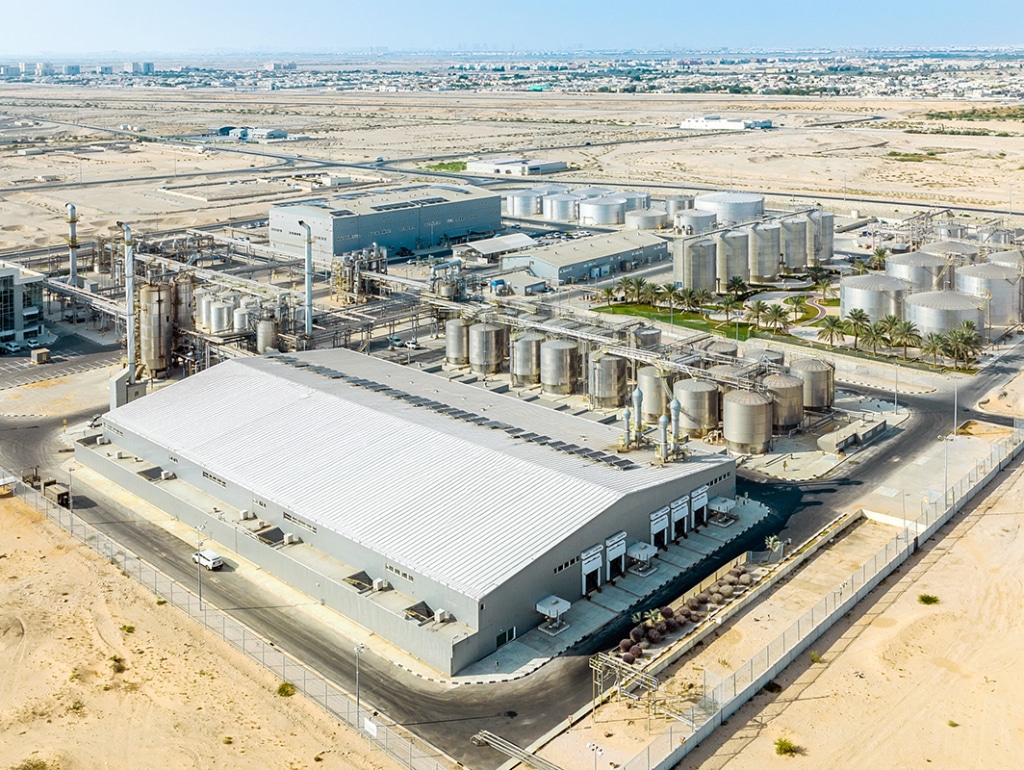
35%
Reduction in logistics headcount through automation
Food & Beverage
EFESO supported the design and realization of a 30,000 sqm greenfield dairy plant, delivering an integrated factory planning concept with full automation and optimized material flows and scalable operational concepts.