



5
Operating facilities
One of the organization’s sawmills was experiencing rising demand but was also recording the highest accident rates among the company’s five sites. Working alongside the in-house team, EFESO implemented world class operations management (WCOM) methodologies across the facility. This partnership transformed both production capabilities and workplace safety, establishing systematic performance management throughout the mill.
Industry: Packaging
Service: Manufacturing
Service: Operational Excellence
Service: Operations Strategy and Transformation
Service: People and Organization

The company operates a network of sawmills supplying sawn goods to the European market. Its largest facility combines traditional sawmill expertise with modern production systems, enabling high-volume processing while maintaining strict quality standards across all product lines.
5
Operating facilities
700K
Cubic meters, per year capacity
+€100M
Annual turnover

“For the first time ever I could actually relax during my vacation because I knew that all urgent problems would be handled by the daily control
“

A demand surge for sawmill goods placed immediate pressure on production volumes at the company’s facility, which held permits for 700,000 cubic metres but was only operating at 500,000 cubic metres annually.
The WCOM implementation delivered simultaneous breakthroughs in production capacity, operational efficiency and workplace safety. Through systematic loss deployment and performance control systems, the mill achieved its highest production levels while creating the safest working environment in the company.
+20%
Production capacity
-75%
Accidents reduced
-30%
Availability losses in bottleneck
-35%
Speed losses in bottleneck

The transformation began with loss deployment across main processes, mapping KPIs to performance outcomes.
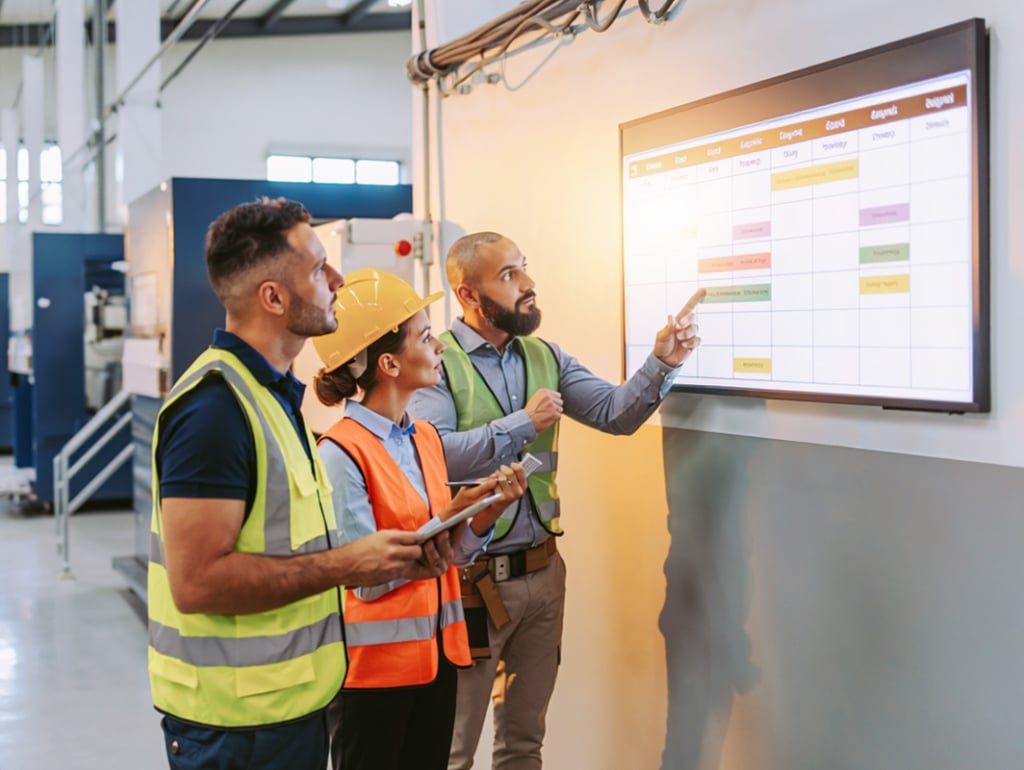
Our coaches helped improvement teams to identify concrete improvements while implementing a performance control system (PCS) to stabilize production and consolidate gains.
The approach included:
Teams harnessed data from across the factory to fuel the continuous improvement process with reliable, high-quality information. The implementation of autonomous maintenance and planned maintenance (AM and PM) pillars, together with AM teams, ensured that maintenance was addressed systematically.
The teams established clear structures for daily management, ensuring alignment from plant managers to operators with daily follow-ups replacing monthly reviews.
The FI-pillar implementation actively engaged site management and technicians in understanding overall losses and gaps, creating ownership at every level.

Aging equipment meets rising costs and technology disruption. We transform operations through smart factory integration, predictive maintenance, and workforce capability building.

Helping organizations rethink how they create value. We strengthen performance, build resilience, and accelerate growth across every layer of your business.

Workforce transformation, leadership development, and structure optimization. Learn more about our People & Organization consulting services.


45K m²
Optimized factory layout (reduced from 52 Km²)
Industrial Manufacturing
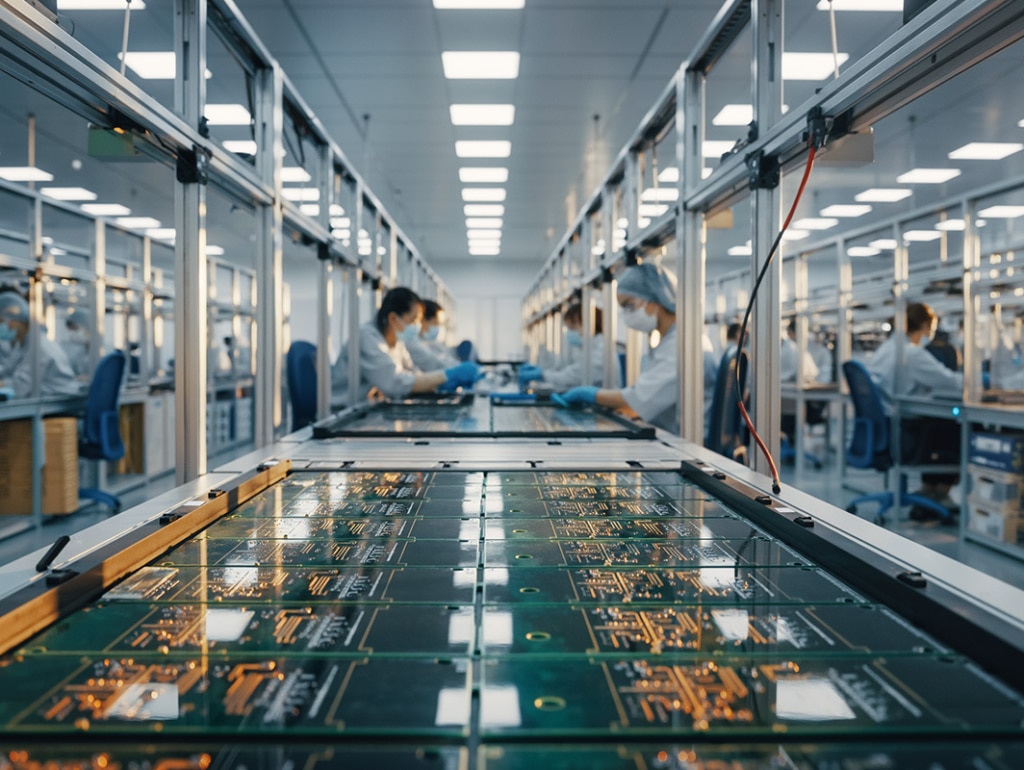
Creating a solid, structured plan for the material flow of its production and validated the static forecast, enabling the factory to increase the output with the existing machinery.
+800
Additional storage positions identified
Consumer Goods and Luxury
EFESO redesigned warehouse layout and internal logistics flows for a global consumer goods manufacturer, increasing storage capacity and improving operational efficiency in a brownfield production environment.

8%
EBITDA increase through improved operational productivity
Consumer Goods and Luxury
A global luxury fashion house aimed to improve operational productivity and achieve target EBITDA despite complex production challenges.

30%
Reduction in unplanned stops over 2 pilot lines
Consumer Goods and Luxury
A global consumer health company implemented an operational transformation, delivering a 30% reduction in unplanned stops and validated standards for global rollout, supporting a shift to a proactive operational culture.

4
Legal-entity handbooks detailing processes, systems, and organizational structures at Level-3 detail
Consumer Goods and Luxury
Discover how EFESO helped defined a Target Operating Model (TOM) that improved governance and created the foundation for future ERP implementation.

~10K m²
Optimized factory footprint
Aerospace & Defense
Design of a future-proof, modular drone factory enabling multi-product manufacturing, rapid scalability, and optimized investment for aerospace defence applications.

Up to 37%
Increase in effective production capacity through downtime and changeover reduction
Life Sciences
A global pharmaceutical manufacturing company implemented a structured Maintenance Excellence Program combining diagnostics, pilot execution, and model design.
35%
Reduction in logistics headcount through automation
Food & Beverage
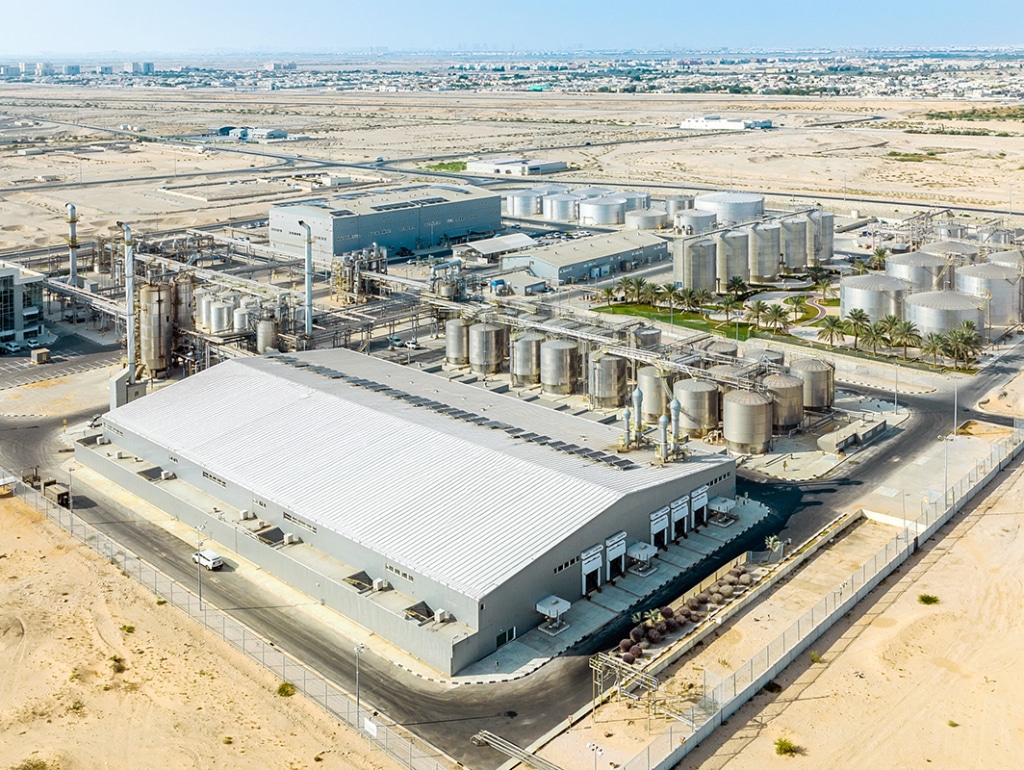
EFESO supported the design and realization of a 30,000 sqm greenfield dairy plant, delivering an integrated factory planning concept with full automation and optimized material flows and scalable operational concepts.