


3
Global engineering sites
Industry: Industrial Manufacturing
Industry: Oil & Gas, Sustainable Energy
Service: Cost and Value Engineering
Service: Manufacturing
Service: Operations Strategy and Transformation
Service: People and Organization

This mid-sized German industrial company specializes in custom-designed heat exchangers and cooling towers for power generation. Operating engineering and production facilities across multiple continents, the company was built on a heritage of German manufacturing excellence. Each installation is unique, based on location, temperature requirements and operational parameters–making every project a custom engineering solution.
3
Global engineering sites
$49M
Annual revenue
4
Production facilities worldwide
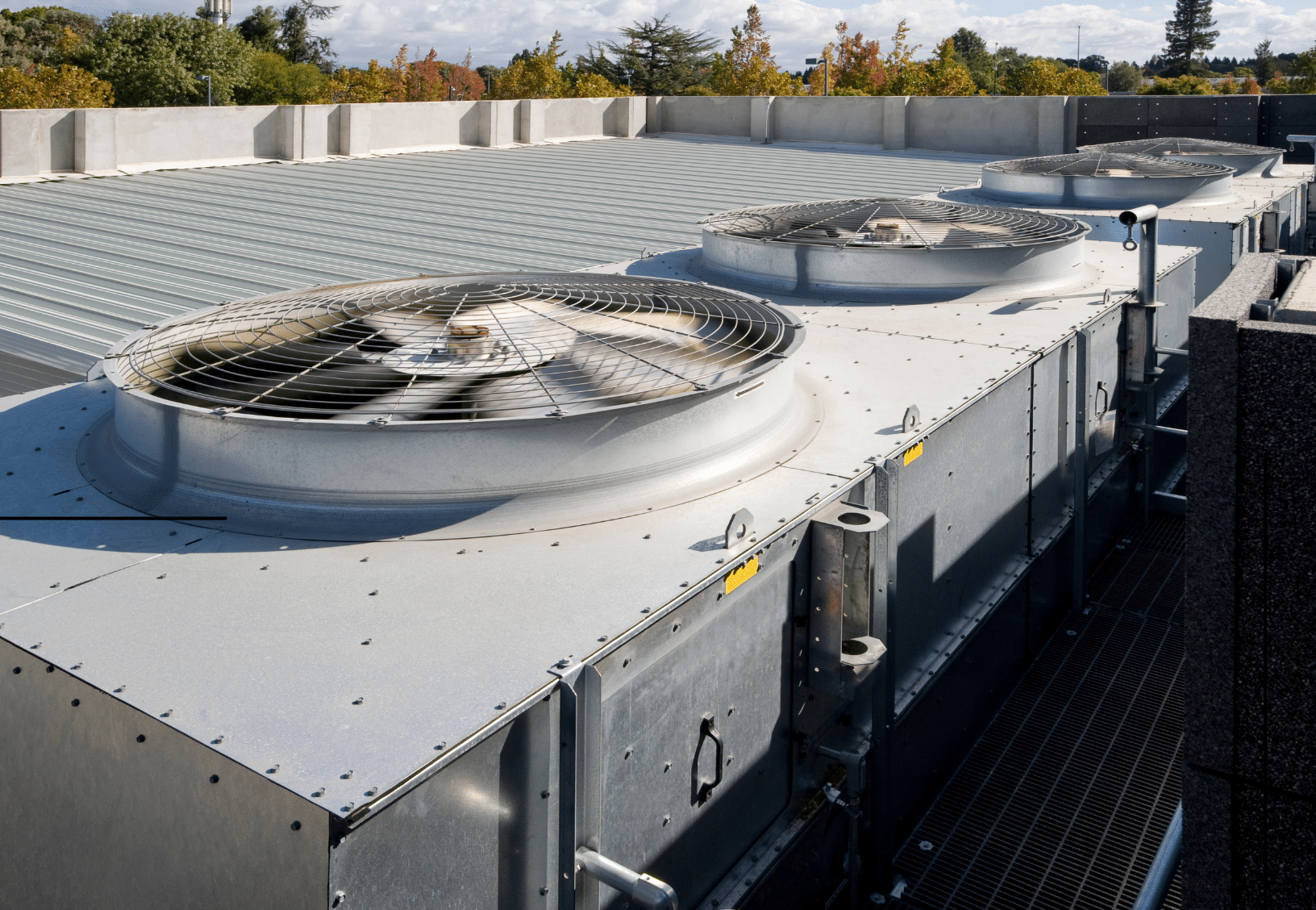

Increasing competition from China and Korea, and aggressive pricing on comparable products, threatened the company’s market position.
The value engineering initiative transformed fragmented engineering operations into a collaborative network that preserved customization capabilities and helped to achieve significant cost reductions. This comprehensive program also established stronger cross-site collaboration processes and integrated best practices from each location.
12%
Reduction in overall system costs
15%
Project cost reduction achieved
12
Months transformation timeline

The engagement centered on the VE 360 (value engineering 360-degree) methodology, beginning with diagnostic assessment and baseline mapping of the product portfolio and design processes across all sites. We divided all product groups into sub-systems–heat exchanger bundles, piping, ducts and tanks, electrical controls, steel and FRP structure–which were re-designed to reduce costs and define global standards.
Design commonality workshops brought multidisciplinary teams from each office together, with meetings rotating across all three locations to foster mutual respect and understanding. Each site presented its approaches during process benchmarking sessions, exposing best-in-class ideas and surfacing areas of redundancy. Standard design concepts were defined for all regions with options for local requirements, helping the organization to work better across regions and functions. Implementation included consensus-driven adoption of harmonized processes, balancing global standards with any necessary customization.

Rising costs demand optimization from design through production. We apply cross-functional value engineering, zero-based redesign, and continuous cost tracking to protect margins.

Aging equipment meets rising costs and technology disruption. We transform operations through smart factory integration, predictive maintenance, and workforce capability building.
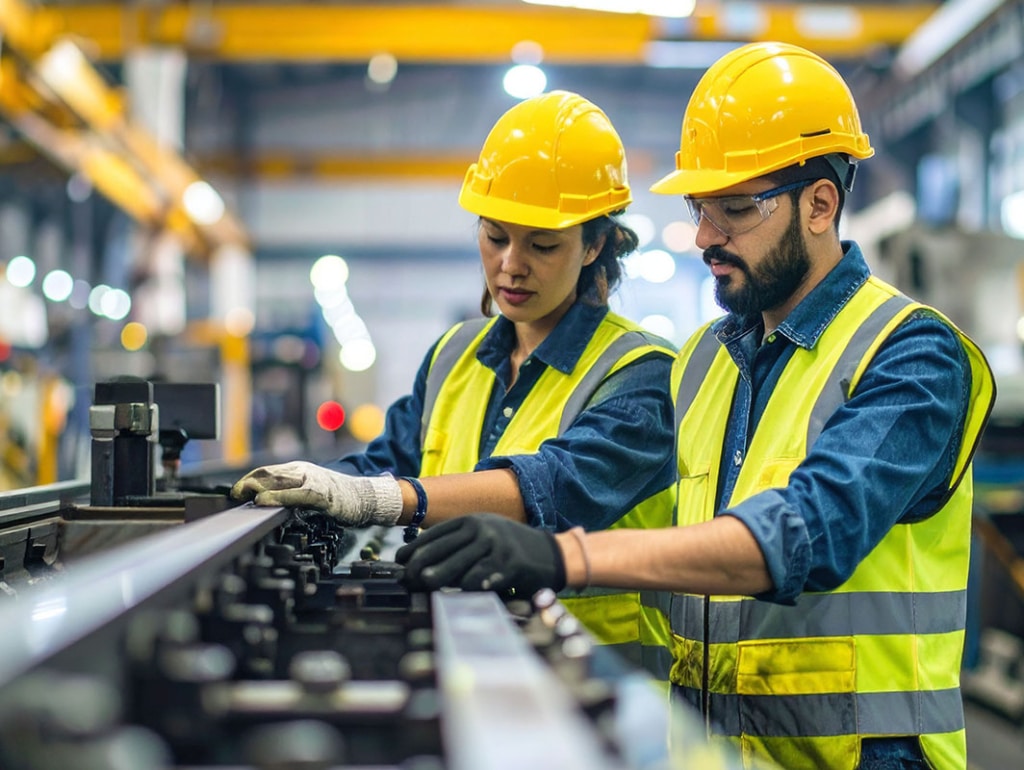
Helping organizations rethink how they create value. We strengthen performance, build resilience, and accelerate growth across every layer of your business.

46%
Reduction in processing time
Industrial Manufacturing
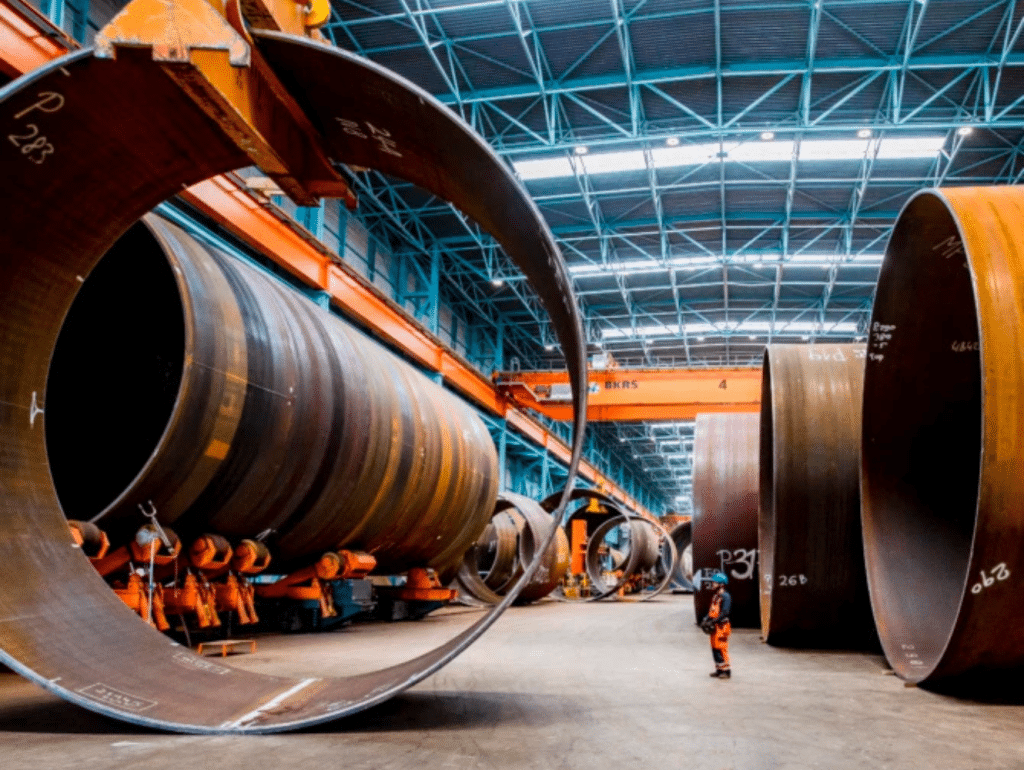
EFESO supported Sif in improving operational performance at its offshore foundation facility by strengthening machine reliability, reducing defects, and implementing structured performance management.
$25M
Cost reduction through organizational optimization
Chemicals
Specialty chemicals leader faced cost and reliability operational challenges. We harmonized processes, implemented enterprise standard work, and optimized operations, delivering $25M in annual savings.
20%
Increase in productivity
Resources Mining and Processing
A leading mining company improved mine planning efficiency, equipment utilization, and operational performance through integrated planning systems, predictive maintenance, and real-time monitoring technologies.
20%
Downtime reduction
Industrial Manufacturing
A die-cast metal manufacturer improved equipment effectiveness, reduced downtime, and increased operational visibility through predictive maintenance, IoT integration, and real-time production monitoring.
20%
Operating cost reduction
Industrial Manufacturing
Resources Mining and Processing
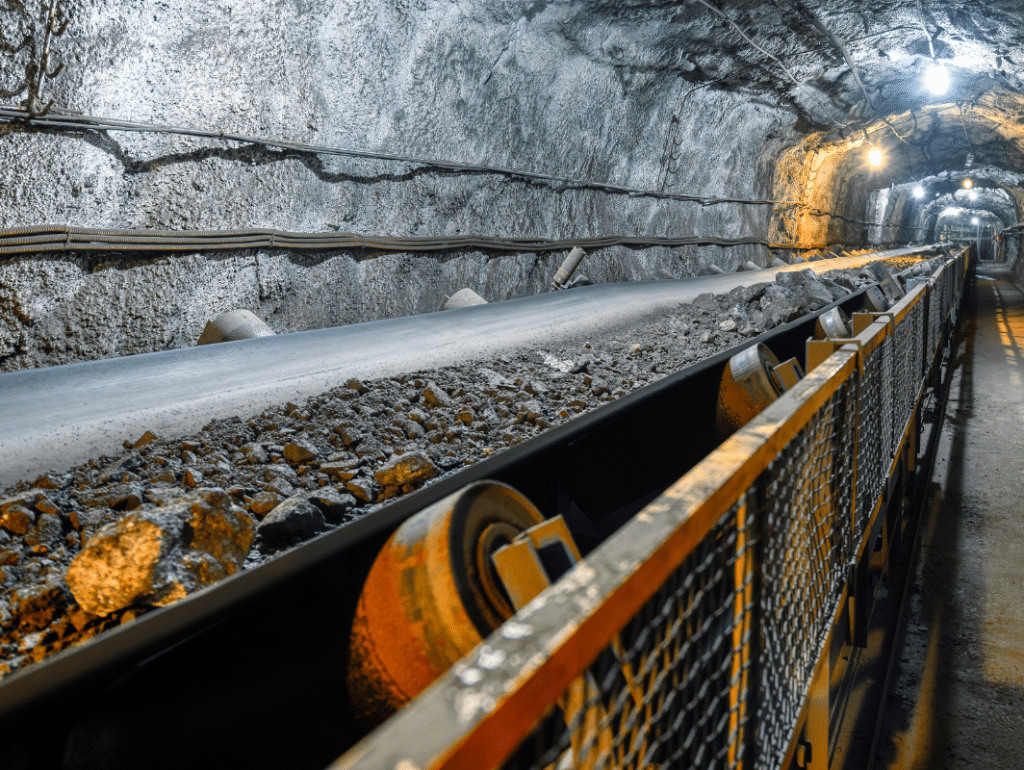
A mining company reduced operating costs by 20% through improvements in pit-to-plant planning, asset performance, maintenance reliability, supply chain management, and operational accountability.
15%
Operating cost reduction
Resources Mining and Processing
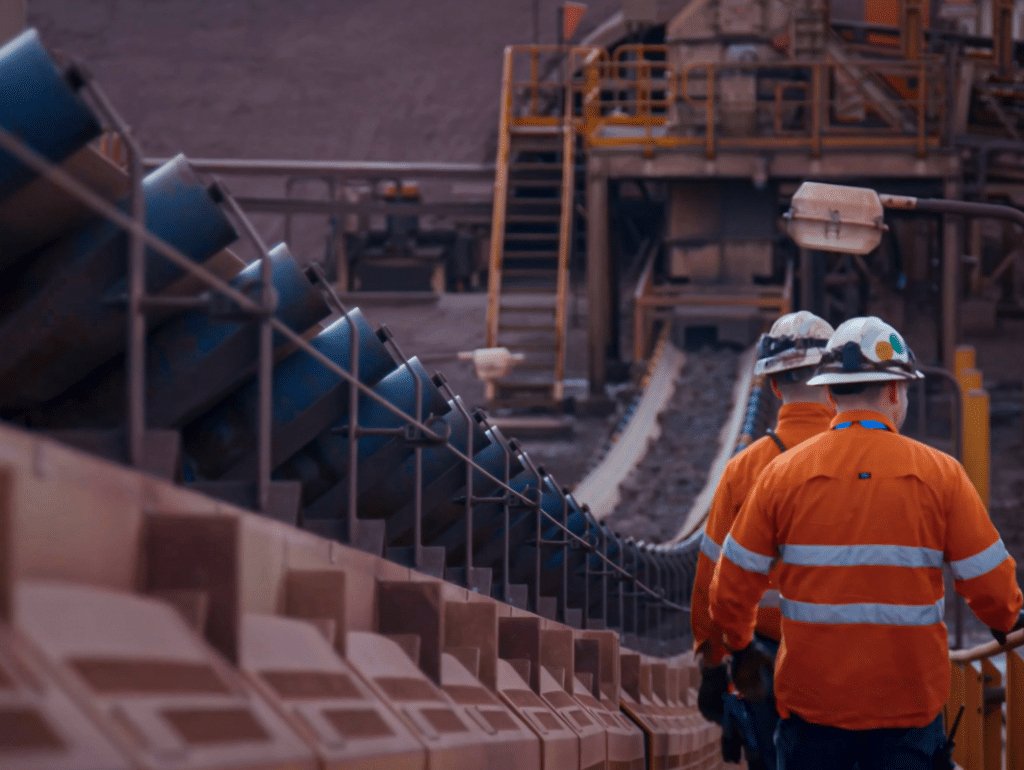
A mining company reduced operating costs by 15% by improving pit-to-plant coordination, maintenance effectiveness, supply chain performance, and operational accountability through a high-performance operating system.
60%
Reduction in workplace accidents
Industrial Manufacturing
Resources Mining and Processing
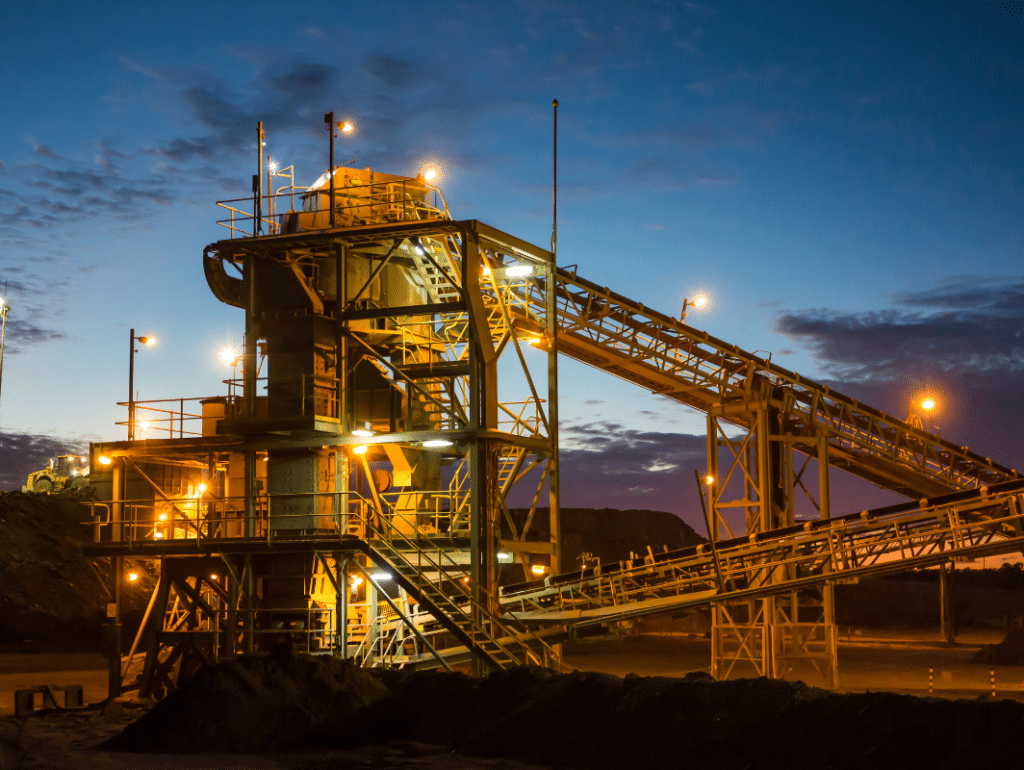
A leading mining company improved workplace safety and operational visibility through real-time monitoring systems, digital safety management tools, and targeted workforce training initiatives.
25%
Reduction in project delays
Industrial Manufacturing
Resources Mining and Processing
A major mining company implemented a centralized CAPEX PMO with digital reporting tools to improve governance, cost control, project visibility, and execution consistency across its capital project portfolio.