


+70 K
Employees
A leading international tobacco company seeking to accelerate the transition toward reduced-risk products while optimizing equipment investments. Partnering with EFESO, the company deployed a Design-to-Value approach to eliminate redundancies, simplify equipment design, and strengthen collaboration with its OEM partner.
Industry: Consumer Goods and Luxury

A global tobacco and nicotine products company with a significant international presence, operating large-scale manufacturing networks across multiple regions and leading the transition toward reduced-risk product categories.
+70 K
Employees
$30 B
Net revenue
+180
Markets worldwide


The company faced increasing pressure to control costs while supporting its strategic transition toward reduced-risk products.
The Design-to-Value initiative enabled the company to reduce equipment-related costs, improve supplier collaboration, and establish a sustainable approach to cost optimization that supports long-term competitiveness.
26%
Average CapEx savings achieved considering feasibility, implementation plans, and machine configurations worldwide
30%
Additional cost reduction achieved for packing, installation, and commissioning activities

EFESO deployed a Design-to-Value methodology to reduce the gap between customer requirements and OEM solutions while identifying opportunities across the OEM value chain.
1. Technical and Economic Baseline Definition
2. Opportunity Identification and Assessment
3. Design-to-Value Cost Modeling
4. Implementation Planning



Up to 20%
Packaging cost reduction across multiple SKUs
Consumer Goods and Luxury
A major international toy manufacturer looking to optimize packaging and outsourced packing costs.

75%
Reduction in systematic start-up issues and improved right-first-time performance
Consumer Goods and Luxury
A global fast-moving consumer goods company sought to implement Early Equipment Management (EEM) across its operations to improve project execution and equipment start-up performance.
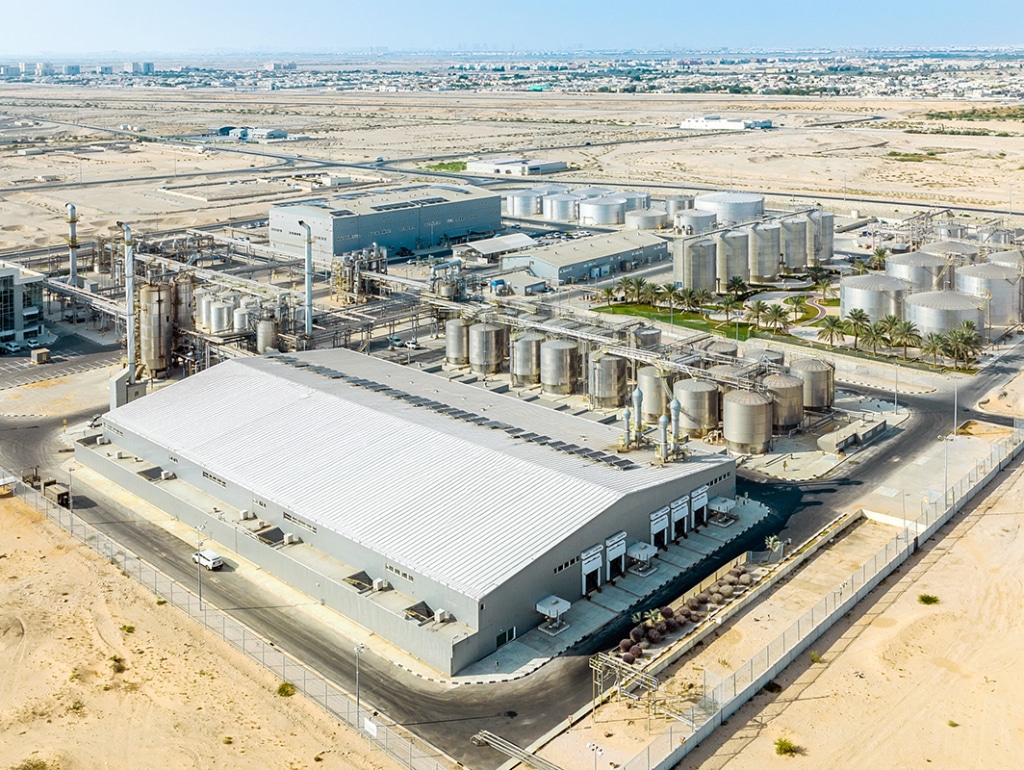
35%
Reduction in logistics headcount through automation
Food & Beverage
EFESO supported the design and realization of a 30,000 sqm greenfield dairy plant, delivering an integrated factory planning concept with full automation and optimized material flows and scalable operational concepts.

+10K
Pallet positions created through optimized DC layout expansion design
Life Sciences
EFESO conducted a feasibility study for a new 10,000-pallet automated warehouse in Romania, optimizing logistics design, layout, and CAPEX to enable scalable, efficient pharmaceutical distribution.
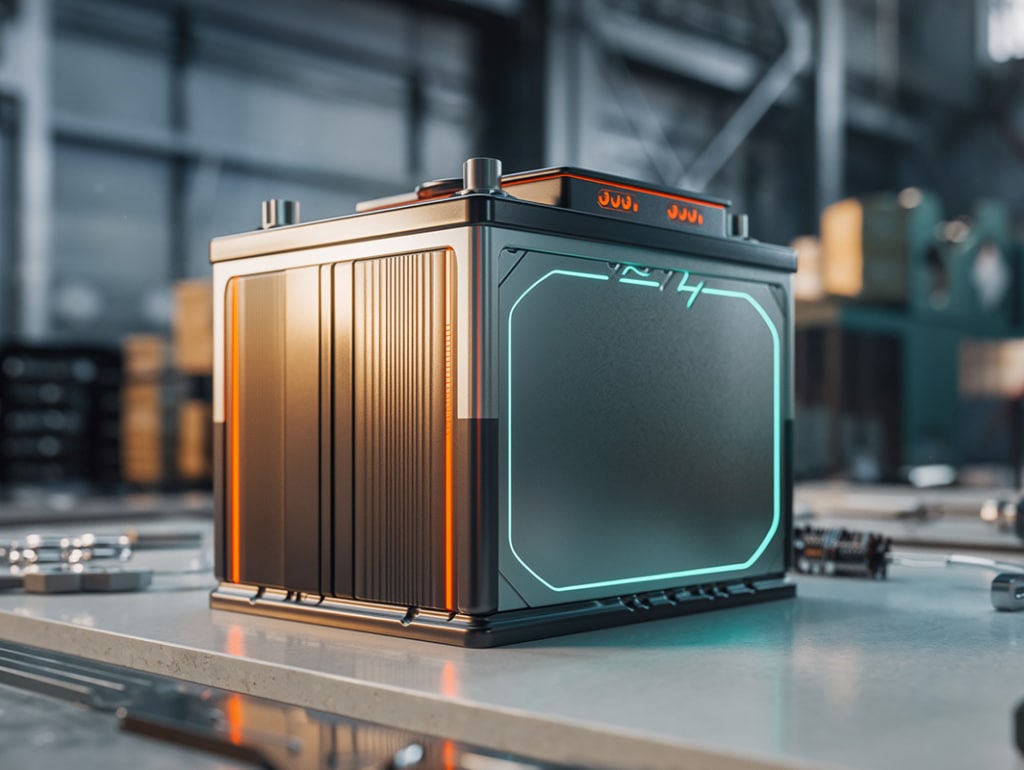
16–23%
Potential cost savings identified on key bill of materials components
Automotive and Commercial Vehicles
A mid-sized European automotive supplier develop a robust cost model and uncover savings for a high-voltage battery module, strengthening internal alignment and negotiation readiness.
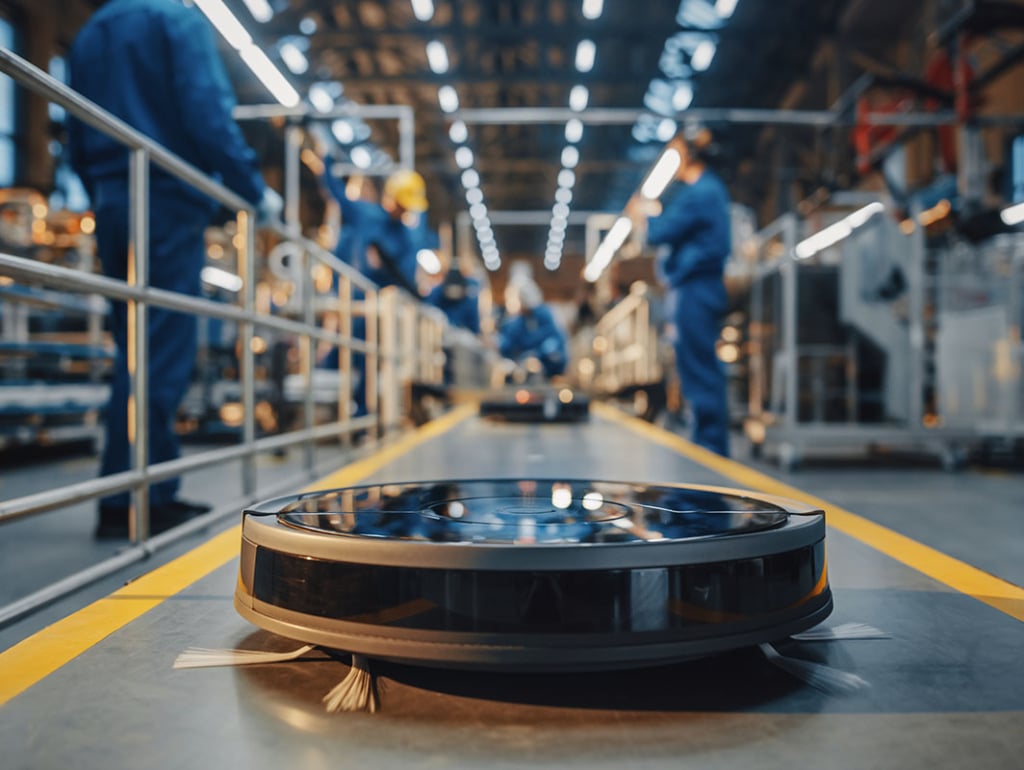
20-25%
Potential savings identified across the total product portfolio
Industrial Manufacturing
A global technology manufacturer partnered with EFESO to gain cost transparency, identify savings opportunities, and strengthen cross-functional alignment through a comprehensive cost engineering program.
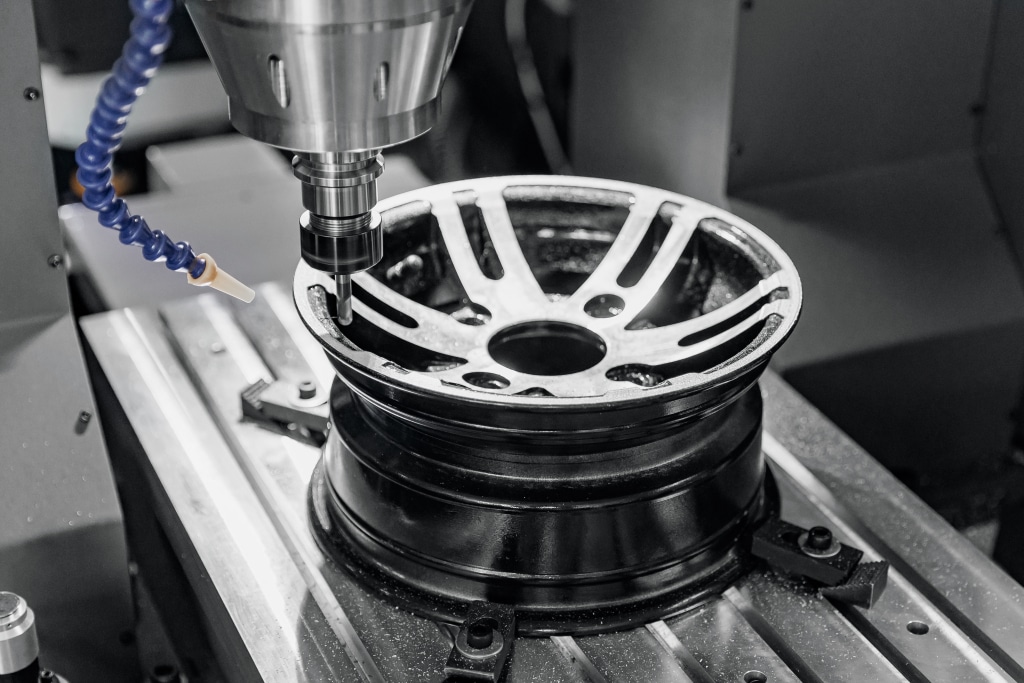
Industrial Manufacturing
Fact-based restructuring of a complex industrial site, enabling a clear shutdown decision, cash-drain elimination, and a structured roadmap for execution.

40%
Reduction in Capital Expenditures for new production technology
Packaging
A leading global manufacturer of glass containers reduce capital expenditure by 40% in the commercialization of a new glass production technology by applying Value Engineering and Lean Product Development principles.