


3
Factories optimized within the project
A leading, listed energy technology manufacturer is realigning one of its operational business segments: the steam turbine unit is intended to set a company-wide benchmark for performance and future readiness. EFESO supports the manufacturer with a structured OPEX assessment across three plants. As part of the project, the company optimizes the individual sites and integrates them into an active production network, significantly improving the performance of the business unit.
Industry: Industrial Manufacturing
Service: Operations Strategy and Transformation
Service: People and Organization

The publicly listed corporation is a leading global manufacturer of energy technology. The project in question focuses on the realignment of a steam turbine unit.
3
Factories optimized within the project
100 K
Steam turbines manufactured per year
100 K
Employees worldwide (Group)


An energy technology manufacturer strengthens its operations. Three steam turbine plants set the direction for OPEX.
Faced with increasing competitive pressure, a globally leading energy technology manufacturer needed to secure its market position and capitalize on new market opportunities. A key step was the realignment of its operational units. By launching a Manufacturing Excellence program, management initiated a company-wide effort focused on Operational Excellence and future growth. The objective was to place production on a future-ready foundation.
With a broad product portfolio and decades of experience in plant engineering, the company is one of the world’s leading manufacturers of steam turbines. Three German plants form the core of its European manufacturing network. One plant builds large-scale new systems, another manufactures smaller turbines with its own mechanical manufacturing capabilities, while the third specializes in system maintenance and spare parts. Each site has its own strengths and historically evolved processes. Before the project, collaboration between the plants was largely reactive rather than systematic. Lead times varied, coordination between engineering, procurement, and production was not always seamless, and there was no overarching view of performance.
The objective was to reduce lead times, unlock efficiency potential, and establish the individual plants as a high-performing network. As a strategically important business area, the steam turbine unit was not only to be strengthened over the long term, but also to serve as a company-wide role model for the program.
The objectives for developing future-ready operations across all plants were communicated clearly from the very start of the program in order to establish a shared understanding and strong commitment.
Instead of using theoretical models and generic benchmarks, the team drew on insights from day-to-day orders, documents, and process steps on the shop floor. This significantly accelerated the transition from diagnosis to tailored measures. AThis direct involvement created a strong sense of ownership and generated significant momentum for the implementation phase.
The EFESO team deliberately challenged existing solutions, processes, and assumptions. However, turning challenging questions into concrete solutions requires a solid basis for collaboration: one that is built on trust while remaining sufficiently independent to address uncomfortable truths openly.

To implement the initiative, the executives responsible for Operations, Controlling, and Finance engaged a multidisciplinary EFESO consulting team to provide both structural and subject-matter support throughout the project. Together with management, the core team conducted an on-site audit at each of the three plants and held discussions with the local stakeholders. It also carried out a detailed analysis of processes within the plants and across the sites. Three methodological elements proved particularly critical to the project’s success:
Tandem principle
The collaboration was based on the tandem principle: each cross-functional topic – from Operational Excellence and network planning to execution readiness – was jointly owned by one representative from the client organization and one EFESO team member. This ensured that the project did not produce theoretical or abstract results. Instead, the outcomes were developed directly and jointly with the management, embedding them within the organization from the very beginning.
Structured OPEX assessment
EFESO’s structured OPEX assessment provided the foundation for the analysis. Its framework enables a systematic review of plants across the entire value chain, from order processing and planning through production and maintenance. At the same time, the team examined processes in key production areas such as assembly, shaft machining, and casing manufacturing on the shop floor. The primary focus was on assessing the productivity of employees and machines and identifying how processes could be redesigned to shorten and minimize critical paths within projects.
Process flow analyses
Process flow analyses based on actual orders proved to be a particularly important tool. For each site, the team selected specific completed orders and worked with local experts to analyze processing times, coordination loops, late changes, and the interfaces between engineering, procurement, and production.

The program did not end with a final report. Instead, it resulted in a company-wide action plan. The concluding project meeting brought all three plants together and translated the individual site analyses into a shared program. This step was critical to ensure seamless implementation and, ultimately, the success of the project.
For each site, the team presented concrete optimization measures that were firmly embedded within the organization. In addition, several strategic action areas were defined and subsequently pursued by the company as independent projects:
For each of these action areas, a representative from the company assumed responsibility, supported once again by an EFESO team member. This continued the proven tandem model in the follow-up projects, based on trust, constructive collaboration, and communication on equal terms. As a result, the energy technology manufacturer successfully completed this strategically important project. The performance potential of the steam turbine unit was identified and systematically realized, while the three previously isolated plants were transformed into an active production network. The business unit now has a solid operational foundation for further growth.
Helping organizations rethink how they create value. We strengthen performance, build resilience, and accelerate growth across every layer of your business.

Enable transformation with EFESO through building capabilities, strengthening leadership and facilitating change.


80%
Projects realized on-time
Transportation, Logistics and Services
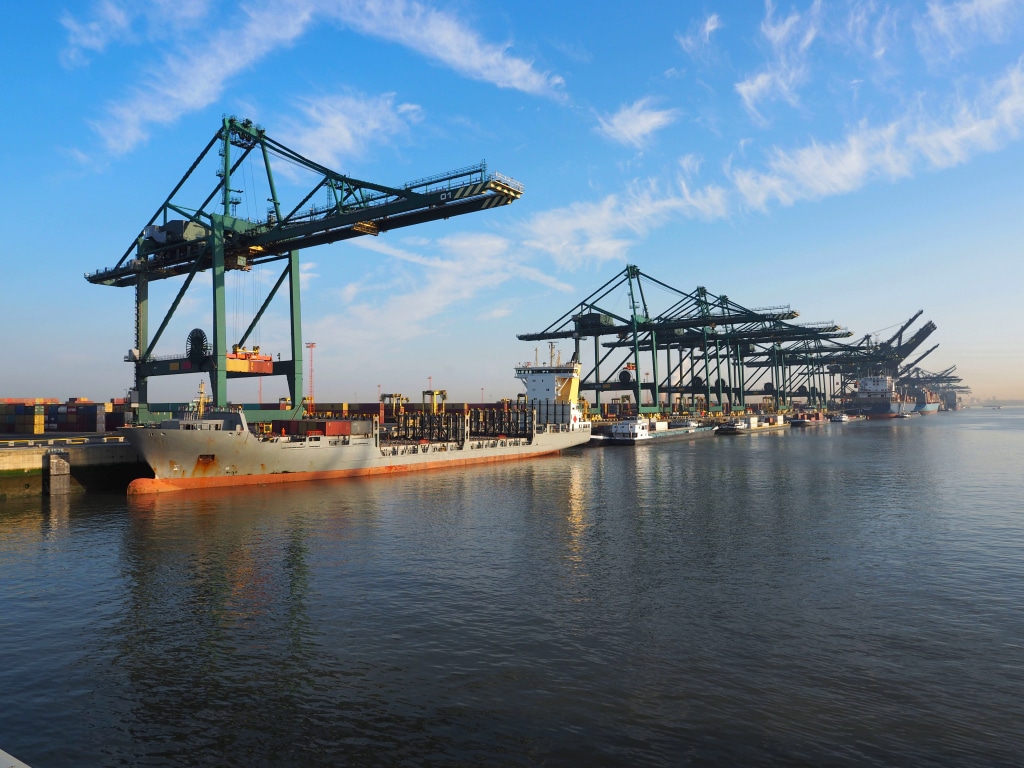
Transformed Europe's second-largest port into climate-neutral hub while increasing throughput and securing substantial EU funding.

€21 M
EBITDA improvement potential over 5 years
Chemicals
A specialty chemicals company optimized its industrial footprint through a data-driven asset strategy, identifying 19 initiatives capable of delivering up to €21M EBITDA improvement over five years.

>10K
Employees qualified on a global scale
Automotive and Commercial Vehicles
EFESO led a global lean transformation for an automotive supplier, using a company-wide learning ecosystem to boost productivity and achieve qualification and leadership excellence.

2.5K
Training attendees from production and logistics
A global manufacturing company in the heating, ventilation, and air-conditioning (HVAC) sector launched the Production Academy, turning qualification from a local effort into a strategic asset in its production network.

€260K
Annual benefits achieved
Chemicals
Restructured maintenance operations at chemical specialty polymers site, delivering €260K annual savings through optimized processes.

4
Legal-entity handbooks detailing processes, systems, and organizational structures at Level-3 detail
Consumer Goods and Luxury
Discover how EFESO helped defined a Target Operating Model (TOM) that improved governance and created the foundation for future ERP implementation.

~10K m²
Optimized factory footprint
Aerospace & Defense
Design of a future-proof, modular drone factory enabling multi-product manufacturing, rapid scalability, and optimized investment for aerospace defence applications.

Up to 37%
Increase in effective production capacity through downtime and changeover reduction
Life Sciences
A global pharmaceutical manufacturing company implemented a structured Maintenance Excellence Program combining diagnostics, pilot execution, and model design.